
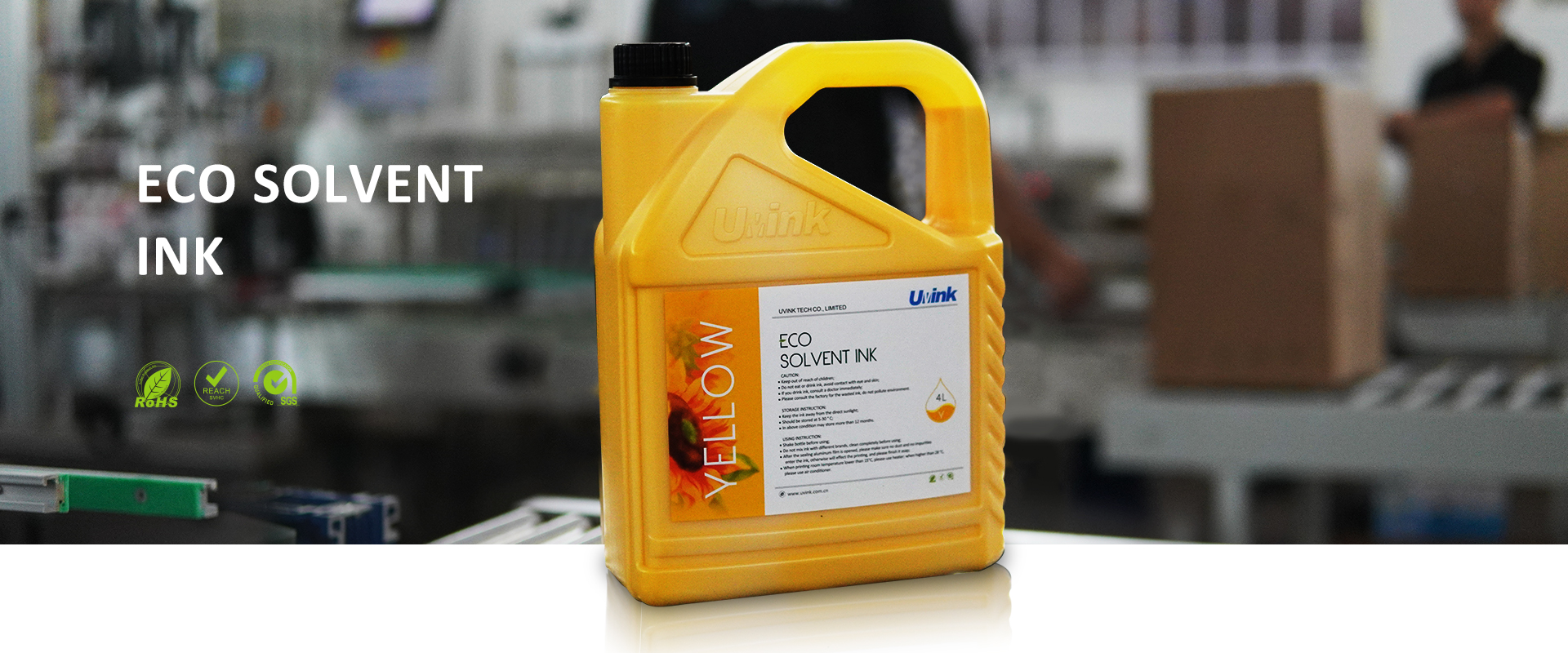
Difference between traditional screen printing and uv ink printer.
author: Uvink
2022-11-25
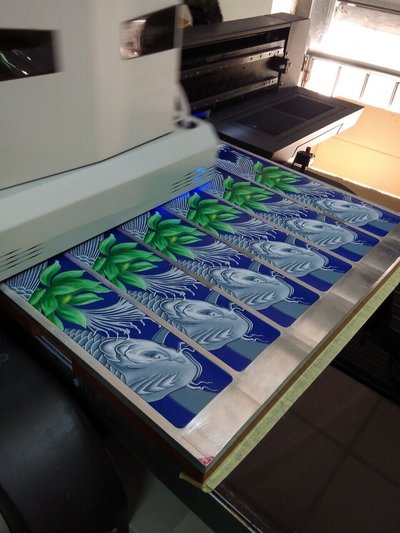
Difference between traditional screen printing and uv ink printer.The differences between
uv ink printer and screen printing are mainly in the following three aspects: environment-friendly
comparison. Silk screen printing belongs to the traditional printing process, which does grea
t harm to the production environment and the external environment. The unpleasant smell
and discharged waste ink cause serious pollution. The uv printer uses a new type of uv ink,
which is green and environmentally friendly, with very low harm to operators and the environment.
Difference between traditional screen printing and uv ink printer.Cost comparison: traditional screen
printing requires film plate making, which costs 200 yuan per plate. The process is complex and
the production cycle is long. It is expensive to print monochrome only, and good screen printing points
cannot be eliminated. Batch production is required to reduce costs, and printing of small batches or
individual products cannot be achieved. Uv is a kind of short version printing, which does not require
complicated typesetting design or plate making, and is suitable for various and personalized printing.
It does not limit the minimum quantity, and reduces the printing cost and time. It only needs simple
image processing, and directly uses the uv printing software to operate after calculating the relevant values.
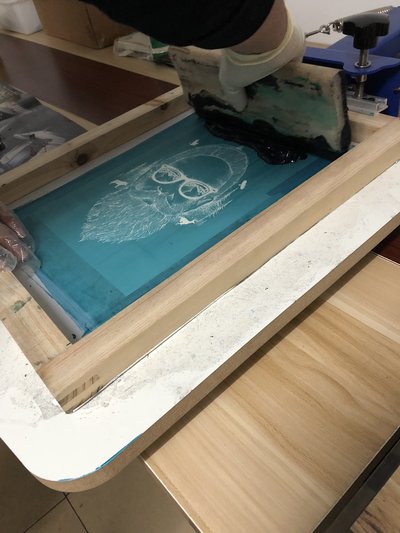
Difference between traditional screen printing and uv printer.Process comparison: screen printing
process is relatively complex. Plate making and printing processes are selected according to different
printing materials. There are many specific types of processes. As for the color scheme, designers need
to have a rich understanding of color. Each color is a plate, and the overall operation is troublesome.
The uv ink printer only needs to place the printed materials on the platform, fix the position, and simply set
and position the processed high-definition pictures in the software to start printing. The printing mode is
the same for different materials, but a few materials need to be coated.
uv ink printer and screen printing are mainly in the following three aspects: environment-friendly
comparison. Silk screen printing belongs to the traditional printing process, which does grea
t harm to the production environment and the external environment. The unpleasant smell
and discharged waste ink cause serious pollution. The uv printer uses a new type of uv ink,
which is green and environmentally friendly, with very low harm to operators and the environment.
Difference between traditional screen printing and uv ink printer.Cost comparison: traditional screen
printing requires film plate making, which costs 200 yuan per plate. The process is complex and
the production cycle is long. It is expensive to print monochrome only, and good screen printing points
cannot be eliminated. Batch production is required to reduce costs, and printing of small batches or
individual products cannot be achieved. Uv is a kind of short version printing, which does not require
complicated typesetting design or plate making, and is suitable for various and personalized printing.
It does not limit the minimum quantity, and reduces the printing cost and time. It only needs simple
image processing, and directly uses the uv printing software to operate after calculating the relevant values.
Difference between traditional screen printing and uv printer.Process comparison: screen printing
process is relatively complex. Plate making and printing processes are selected according to different
printing materials. There are many specific types of processes. As for the color scheme, designers need
to have a rich understanding of color. Each color is a plate, and the overall operation is troublesome.
The uv ink printer only needs to place the printed materials on the platform, fix the position, and simply set
and position the processed high-definition pictures in the software to start printing. The printing mode is
the same for different materials, but a few materials need to be coated.
 Sublimation Ink Buying Guide for sublimation printer ink | UVINK
  DTF ink Selection Guide for dtg dtf printer | UVINK
  UV DTF Ink: What Is UV DTF for Digital Printing?
  Economic DTF Ink for DTF Printer Procolored – No‑Clog, Cost‑Effective Industrial Printing Solution
  Economic‑Grade DTF Ink – Complete Industrial Guide: How To Make DTF Transfers With Inkjet Printer
  Industrial‑Grade UV DTF Ink – Complete Buying Guide for UV DTF Stickers for Tumblers Production
  UVINK Eco Solvent Ink – Complete Industrial Buying Guide for Car Wrap Advertising Projects
 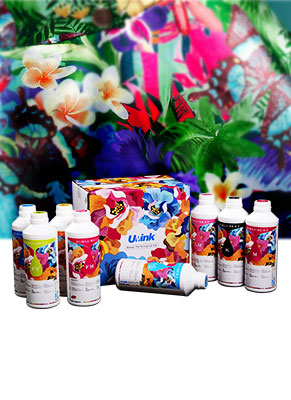 Fluorescent Sublimation Ink & Sublimation Printer Ink – Full Industrial UVINK Buyer Guide
  UVINK Economic DTF Ink – Complete Industrial Guide for DTF Printing Ink Users
 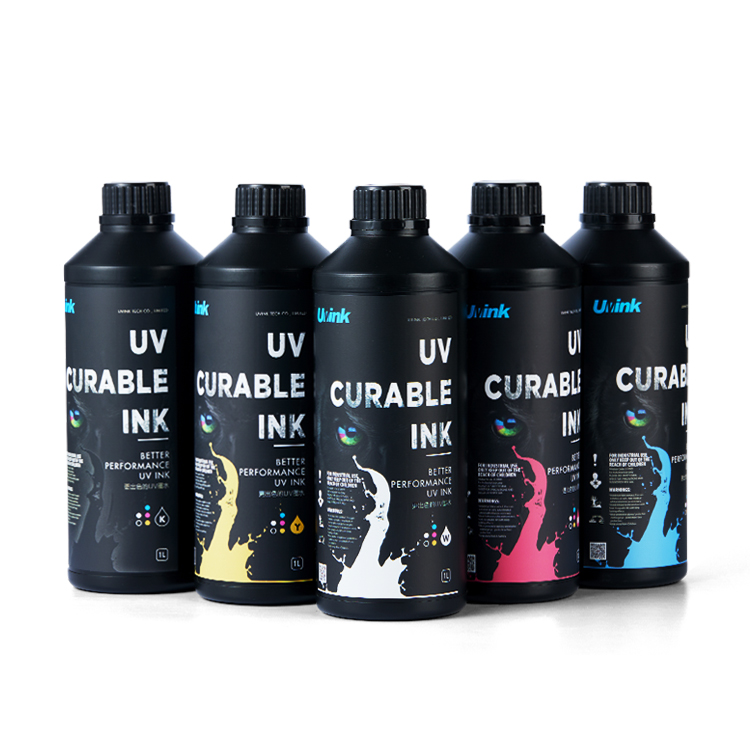 Professional‑Grade UV DTF Ink for High‑Quality UV DTF Prints – UVINK Complete Industrial Buying Guide
 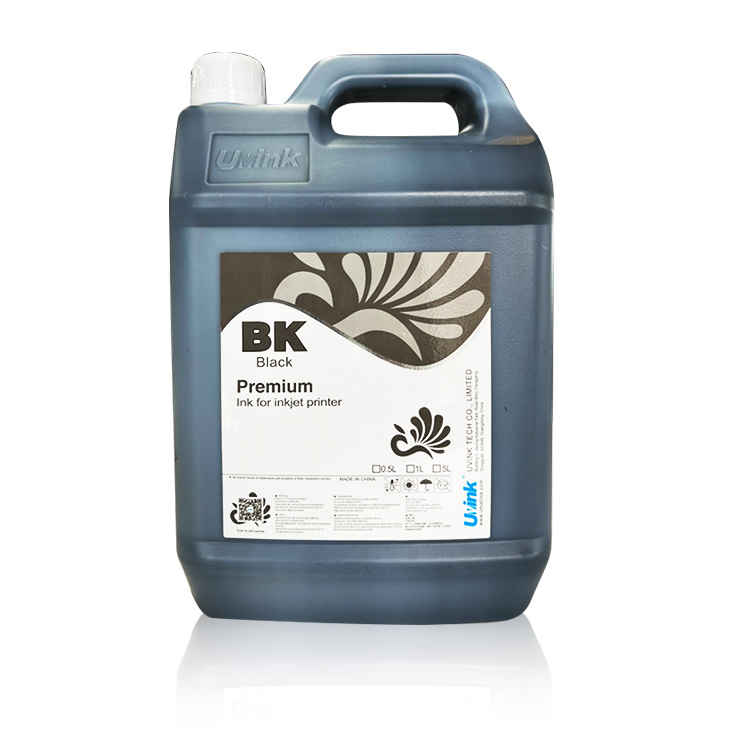 Mild Solvent Ink & Outdoor Advertising Printing – Professional Industrial Guide by UVINK
  Sublimation Ink & Epson Sublimation Ink – Full Industrial Buyer Guide by UVINK
  UVINK UV DTF Ink & What Are UV DTF Stickers – Complete Industrial Guide
 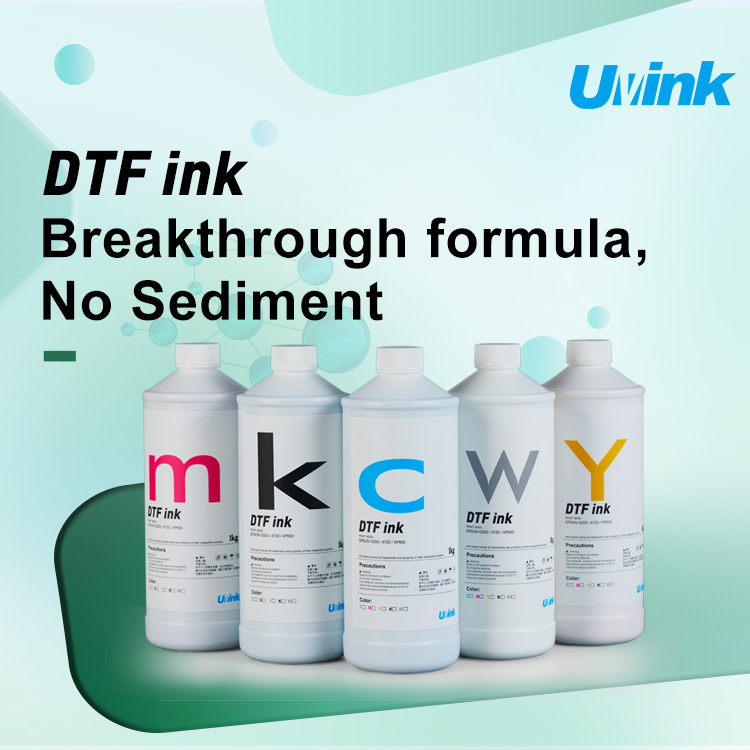 UVINK Economic DTF ink: Complete Buyer Guide for dtf for shirts Printing
  Sublimation Ink & Printer Color Ink: Industrial B2B Technical Guide
  UV DTF Ink & How to Make UV DTF Stickers: Industrial Production Guide
  Solvent Ink for Wide Format Ink Jet Printer: Industrial Technical Guide
  Sublimation Ink: Professional Technical Guide for Epson Printers
  Eco-solvent Ink: Professional Industrial Guide for Epson Pro Printers
  DTF Ink: Professional Industrial Guide for Procolored DTF Printer L1800