
What are the advantages of direct to film ink hot stamping film?
author: Uvink
2022-12-28
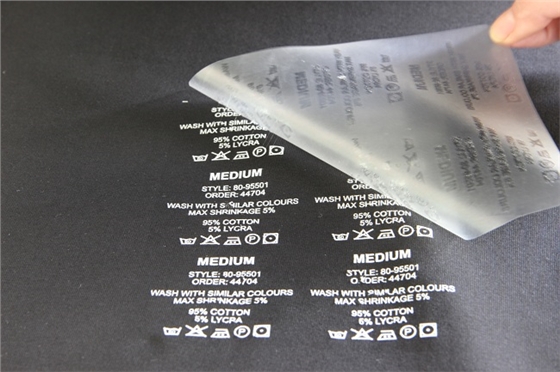
What are the advantages of direct to film ink hot stamping film?The scalded
pattern looks like PU glue, with strong stretch resilience and no deformation,
and is softer than the glue (30-50% softer than the pattern printed on the oily
coating film). It is suitable for direct to film ink. 100% ink can be printed freely without
gathering ink or flowing ink. The surface of the film is dry and can be sprayed
with 200 mesh superfine powder without sticking powder. It can be easily torn hot,
warm and cold. It has exclusive core key technologies at the forefront of the industry,
has more advantages in controlling quality stability, and leads the industry to a
new direction with the power of scientific and technological innovation.
Usage: The ink absorbing coating layer is the printing surface; Handle with care,
pay attention to the scratch resistant ink absorption coating; After printing, bake for
40~90 seconds, and adjust the appropriate temperature according to the performance
of the hot melt powder; 60~80 mesh hot melt powder can be used to realize second
tear, 100~150 mesh hot melt powder is recommended to be torn warm or cold, and
150 mesh hot melt powder is recommended to be torn cold; Store in a dry place
and pay attention to moisture. Note: If the baking temperature is too high or the baking time is too long after the
hot melt powder is sprayed after printing, the pattern surface may have anti white spots.
This is because the slow drying agent in the ink cannot be volatilized after the hot melt
powder is formed into a film. After the gas is cooled, it forms a mist crystal on the
pattern surface. This anti white phenomenon will slowly disappear after several days of
storage in contact with the air, which will not affect the beauty of the pattern later.
The transfer press temperature is 140-160 degrees, 6-10 seconds, according to
the different mesh number of hot melt powder, and the fabric temperature zone,
the most appropriate temperature zone can be adjusted to easily achieve hot tearing.
pattern looks like PU glue, with strong stretch resilience and no deformation,
and is softer than the glue (30-50% softer than the pattern printed on the oily
coating film). It is suitable for direct to film ink. 100% ink can be printed freely without
gathering ink or flowing ink. The surface of the film is dry and can be sprayed
with 200 mesh superfine powder without sticking powder. It can be easily torn hot,
warm and cold. It has exclusive core key technologies at the forefront of the industry,
has more advantages in controlling quality stability, and leads the industry to a
new direction with the power of scientific and technological innovation.
Usage: The ink absorbing coating layer is the printing surface; Handle with care,
pay attention to the scratch resistant ink absorption coating; After printing, bake for
40~90 seconds, and adjust the appropriate temperature according to the performance
of the hot melt powder; 60~80 mesh hot melt powder can be used to realize second
tear, 100~150 mesh hot melt powder is recommended to be torn warm or cold, and
150 mesh hot melt powder is recommended to be torn cold; Store in a dry place
and pay attention to moisture.
hot melt powder is sprayed after printing, the pattern surface may have anti white spots.
This is because the slow drying agent in the ink cannot be volatilized after the hot melt
powder is formed into a film. After the gas is cooled, it forms a mist crystal on the
pattern surface. This anti white phenomenon will slowly disappear after several days of
storage in contact with the air, which will not affect the beauty of the pattern later.
The transfer press temperature is 140-160 degrees, 6-10 seconds, according to
the different mesh number of hot melt powder, and the fabric temperature zone,
the most appropriate temperature zone can be adjusted to easily achieve hot tearing.
 Sublimation Ink Buying Guide for sublimation printer ink | UVINK
  DTF ink Selection Guide for dtg dtf printer | UVINK
  UV DTF Ink: What Is UV DTF for Digital Printing?
  Economic DTF Ink for DTF Printer Procolored – No‑Clog, Cost‑Effective Industrial Printing Solution
  Economic‑Grade DTF Ink – Complete Industrial Guide: How To Make DTF Transfers With Inkjet Printer
  Industrial‑Grade UV DTF Ink – Complete Buying Guide for UV DTF Stickers for Tumblers Production
  UVINK Eco Solvent Ink – Complete Industrial Buying Guide for Car Wrap Advertising Projects
  Fluorescent Sublimation Ink & Sublimation Printer Ink – Full Industrial UVINK Buyer Guide
  UVINK Economic DTF Ink – Complete Industrial Guide for DTF Printing Ink Users
 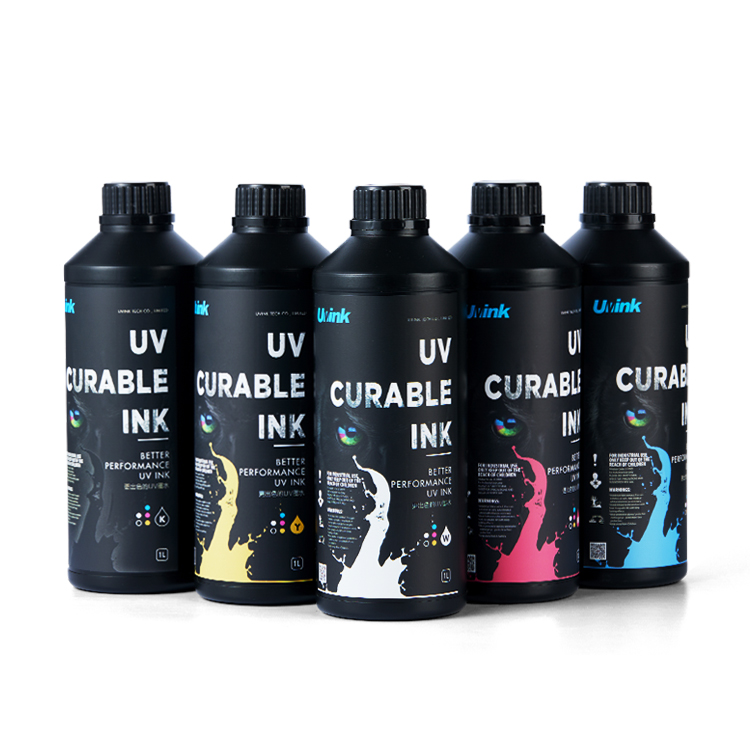 Professional‑Grade UV DTF Ink for High‑Quality UV DTF Prints – UVINK Complete Industrial Buying Guide
 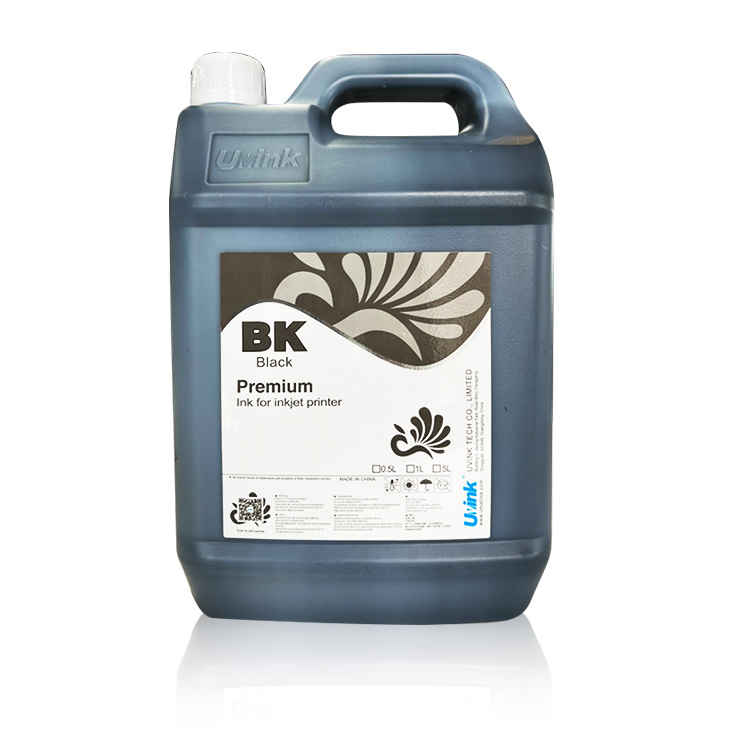 Mild Solvent Ink & Outdoor Advertising Printing – Professional Industrial Guide by UVINK
  Sublimation Ink & Epson Sublimation Ink – Full Industrial Buyer Guide by UVINK
  UVINK UV DTF Ink & What Are UV DTF Stickers – Complete Industrial Guide
 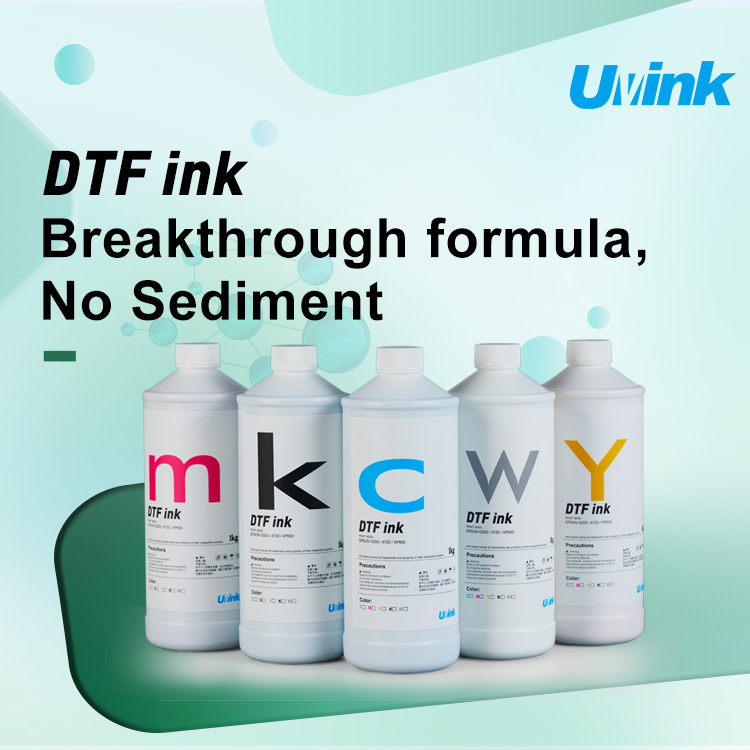 UVINK Economic DTF ink: Complete Buyer Guide for dtf for shirts Printing
  Sublimation Ink & Printer Color Ink: Industrial B2B Technical Guide
  UV DTF Ink & How to Make UV DTF Stickers: Industrial Production Guide
  Solvent Ink for Wide Format Ink Jet Printer: Industrial Technical Guide
  Sublimation Ink: Professional Technical Guide for Epson Printers
  Eco-solvent Ink: Professional Industrial Guide for Epson Pro Printers
  DTF Ink: Professional Industrial Guide for Procolored DTF Printer L1800