
Can the ink thickness of uv ink-jet printer be adjusted?
author: Uvink
2023-01-09
Whether the ink thickness can be adjusted is mainly caused by the following three
factors: first, the requirements for printing pictures. If the color of the pictures is
required to be dark and the color is required to be more beautiful, it is necessary to
make some appropriate adjustments to the ink thickness; Second: the type and
background of the material. If the surface of the material is soft and the background of
the material is deep, the amount of ink should be increased to 20% to 40%;
Third: Other special requirements: Now many people pursue relief 3D effect, which will
make it more three-dimensional. To achieve this effect, you need to increase
the thickness of the ink.
The following methods can be used to adjust the ink thickness: First, you can set
the percentage of inkjet volume and the number of printing times to change the ink
thickness. The advantages of this setting are mainly two aspects: one is to save ink,
the other is to improve the printing effect. Second: To increase the ink thickness of
the flat panel inkjet printer, there is an auxiliary function, namely the percentage of
feathering, which is generally between 0% and 200%. If the system prints a more delicate
and colorful pattern than before, the feathering function needs to be enabled. Generally,
the larger the value is, the better the printing effect will be. At the same time, it will bring
a disadvantage, which will reduce the production speed, The specific situation shall be
determined according to user requirements. Third: The printing resolution is an important
parameter to measure the printing effect. It is generally expressed in dpi. The higher
the value, the better the effect. The resolutions of our common universal inkjet printer
are 600x2400dpi and 635x2400dpi. You can choose the corresponding resolution
according to your needs.
factors: first, the requirements for printing pictures. If the color of the pictures is
required to be dark and the color is required to be more beautiful, it is necessary to
make some appropriate adjustments to the ink thickness; Second: the type and
background of the material. If the surface of the material is soft and the background of
the material is deep, the amount of ink should be increased to 20% to 40%;
Third: Other special requirements: Now many people pursue relief 3D effect, which will
make it more three-dimensional. To achieve this effect, you need to increase
the thickness of the ink.
The following methods can be used to adjust the ink thickness: First, you can set
the percentage of inkjet volume and the number of printing times to change the ink
thickness. The advantages of this setting are mainly two aspects: one is to save ink,
the other is to improve the printing effect. Second: To increase the ink thickness of
the flat panel inkjet printer, there is an auxiliary function, namely the percentage of
feathering, which is generally between 0% and 200%. If the system prints a more delicate
and colorful pattern than before, the feathering function needs to be enabled. Generally,
the larger the value is, the better the printing effect will be. At the same time, it will bring
a disadvantage, which will reduce the production speed, The specific situation shall be
determined according to user requirements. Third: The printing resolution is an important
parameter to measure the printing effect. It is generally expressed in dpi. The higher
the value, the better the effect. The resolutions of our common universal inkjet printer
are 600x2400dpi and 635x2400dpi. You can choose the corresponding resolution
according to your needs.
 Sublimation Ink Buying Guide for sublimation printer ink | UVINK
  DTF ink Selection Guide for dtg dtf printer | UVINK
  UV DTF Ink: What Is UV DTF for Digital Printing?
  Economic DTF Ink for DTF Printer Procolored – No‑Clog, Cost‑Effective Industrial Printing Solution
  Economic‑Grade DTF Ink – Complete Industrial Guide: How To Make DTF Transfers With Inkjet Printer
  Industrial‑Grade UV DTF Ink – Complete Buying Guide for UV DTF Stickers for Tumblers Production
 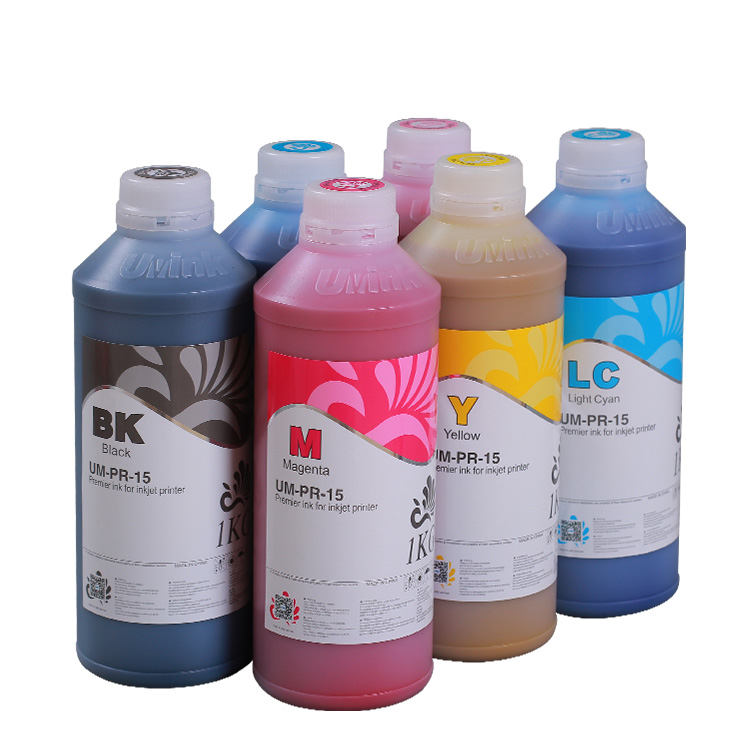 UVINK Eco Solvent Ink – Complete Industrial Buying Guide for Car Wrap Advertising Projects
 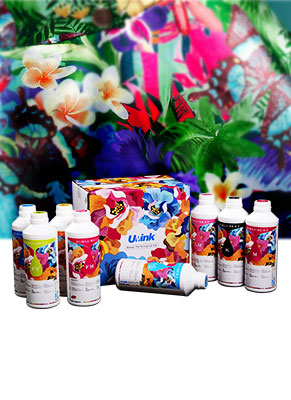 Fluorescent Sublimation Ink & Sublimation Printer Ink – Full Industrial UVINK Buyer Guide
  UVINK Economic DTF Ink – Complete Industrial Guide for DTF Printing Ink Users
 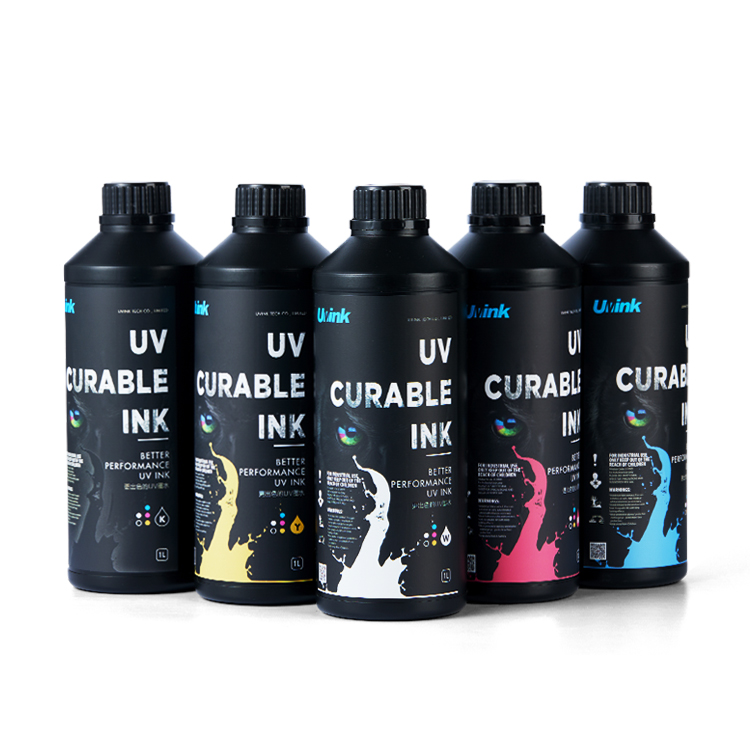 Professional‑Grade UV DTF Ink for High‑Quality UV DTF Prints – UVINK Complete Industrial Buying Guide
 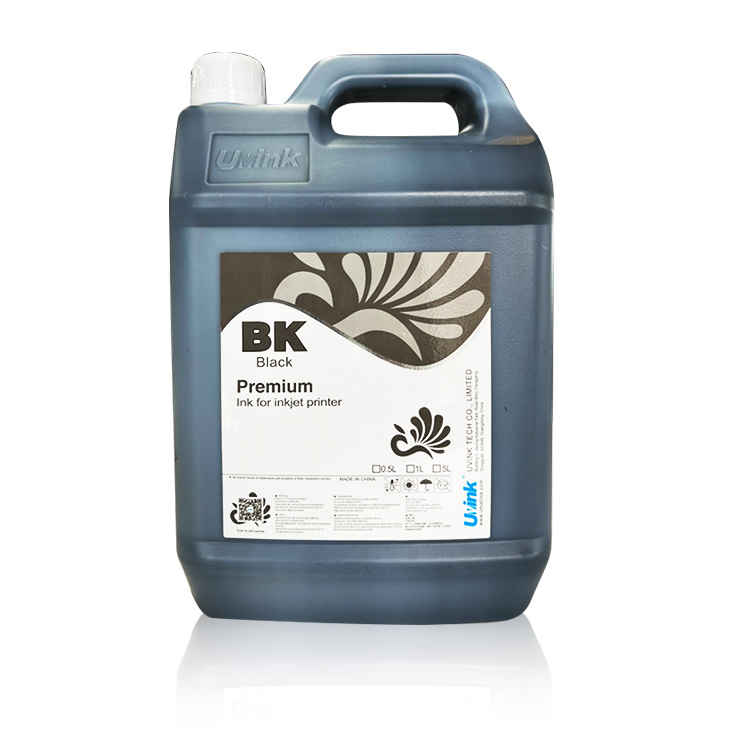 Mild Solvent Ink & Outdoor Advertising Printing – Professional Industrial Guide by UVINK
  Sublimation Ink & Epson Sublimation Ink – Full Industrial Buyer Guide by UVINK
  UVINK UV DTF Ink & What Are UV DTF Stickers – Complete Industrial Guide
 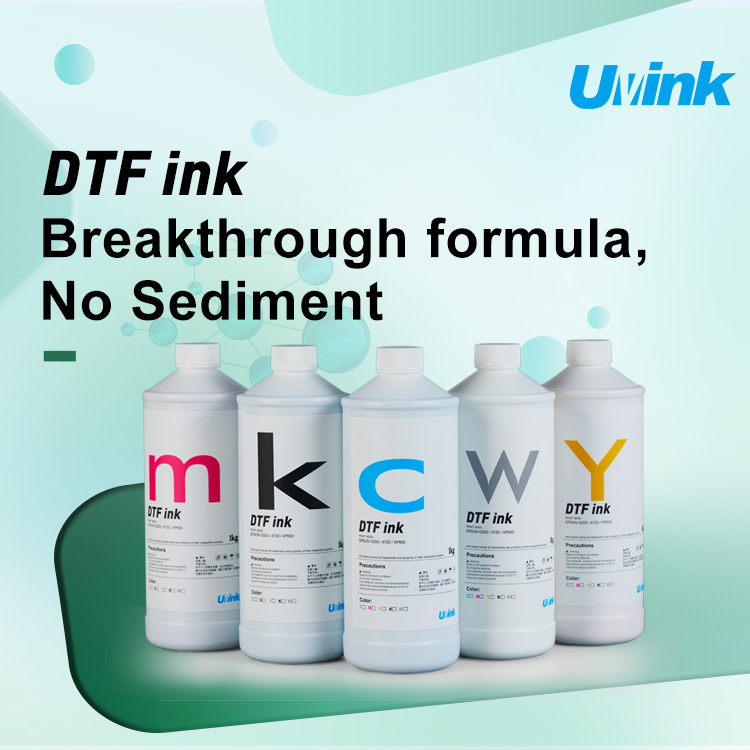 UVINK Economic DTF ink: Complete Buyer Guide for dtf for shirts Printing
  Sublimation Ink & Printer Color Ink: Industrial B2B Technical Guide
  UV DTF Ink & How to Make UV DTF Stickers: Industrial Production Guide
  Solvent Ink for Wide Format Ink Jet Printer: Industrial Technical Guide
  Sublimation Ink: Professional Technical Guide for Epson Printers
  Eco-solvent Ink: Professional Industrial Guide for Epson Pro Printers
  DTF Ink: Professional Industrial Guide for Procolored DTF Printer L1800