
What characteristics does the composition of uv ink determine?
author: Uvink
2023-03-30
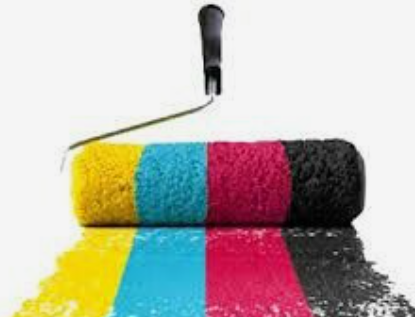
UV ink is mainly composed of photosensitive acrylate triggered by ultraviolet rays, mineral
pigment particles and leveling aids. The main solvent is liquid resin and functional group
acrylate monomer that becomes a hard coating after curing. Mineral particles are color
developing materials. Generally, it is a common CMYK four-color, and the leveling additive is
used to adjust the viscosity, adhesion and drying speed of inkjet. So what characteristics
do these uv ink components determine?
Compared with traditional water-based inks or weak solvent inks, uv curable inks have
better compatibility. After being cured by LED uv lamps on the surface of different media,
the images can be dried quickly, with bright colors and three-dimensional effects.
At the same time, the images are not easy to Color fading, waterproof, uv-resistant,
scratch-resistant and other properties. The characteristics of uv ink do not require powder
spraying; with ultraviolet light source, it can be dried immediately; as long as it is stored away
from light, u ink will not form skin and will not affect the quality; uv ink has no solvent,
which is more environmentally friendly.

The use of uv white ink is also different from the color classification of traditional solvent inks.
Since uv ink can be used together with white ink, many manufacturers can print some beautiful
relief effects. This is to use white ink to accumulate relief effects first, and then Print it again
with colored uv ink to achieve the embossed effect. The weak solvent cannot be mixed
with white ink, so there is no way to print the relief effect.
The high-quality compatibility of uv ink to media makes it suitable for printing metal, glass,
ceramics, PC, PVC, ABS, etc.; these can be applied to uv flatbed printing equipment.
For uv printers, it can be said to be a universal printer for roll media, compatible with printing of
all roll media of all paper roll types. After uv ink is cured, the ink layer has high hardness,
good adhesion, scrub resistance, solvent resistance, and high gloss.
 Sublimation Ink Buying Guide for sublimation printer ink | UVINK
  DTF ink Selection Guide for dtg dtf printer | UVINK
  UV DTF Ink: What Is UV DTF for Digital Printing?
  Economic DTF Ink for DTF Printer Procolored – No‑Clog, Cost‑Effective Industrial Printing Solution
  Economic‑Grade DTF Ink – Complete Industrial Guide: How To Make DTF Transfers With Inkjet Printer
  Industrial‑Grade UV DTF Ink – Complete Buying Guide for UV DTF Stickers for Tumblers Production
  UVINK Eco Solvent Ink – Complete Industrial Buying Guide for Car Wrap Advertising Projects
  Fluorescent Sublimation Ink & Sublimation Printer Ink – Full Industrial UVINK Buyer Guide
  UVINK Economic DTF Ink – Complete Industrial Guide for DTF Printing Ink Users
 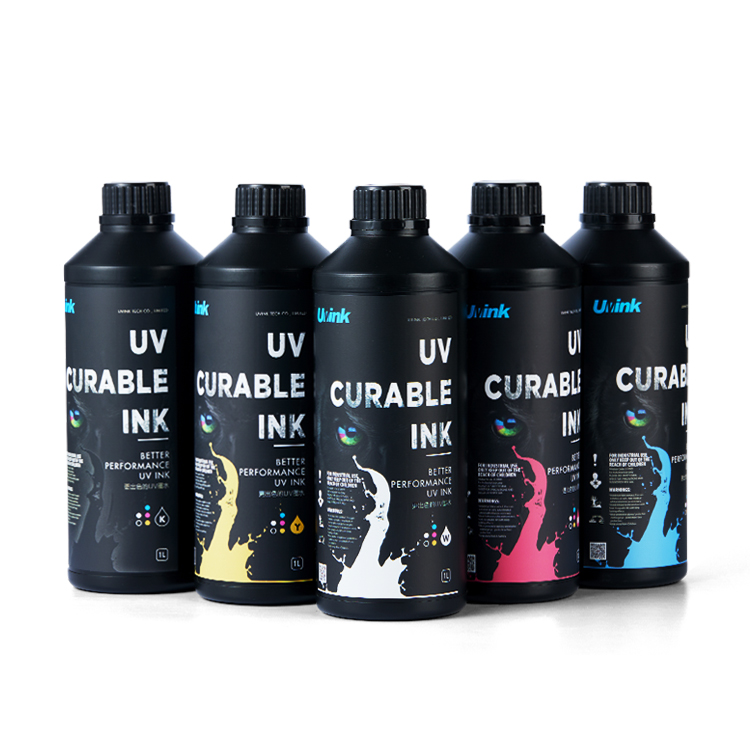 Professional‑Grade UV DTF Ink for High‑Quality UV DTF Prints – UVINK Complete Industrial Buying Guide
 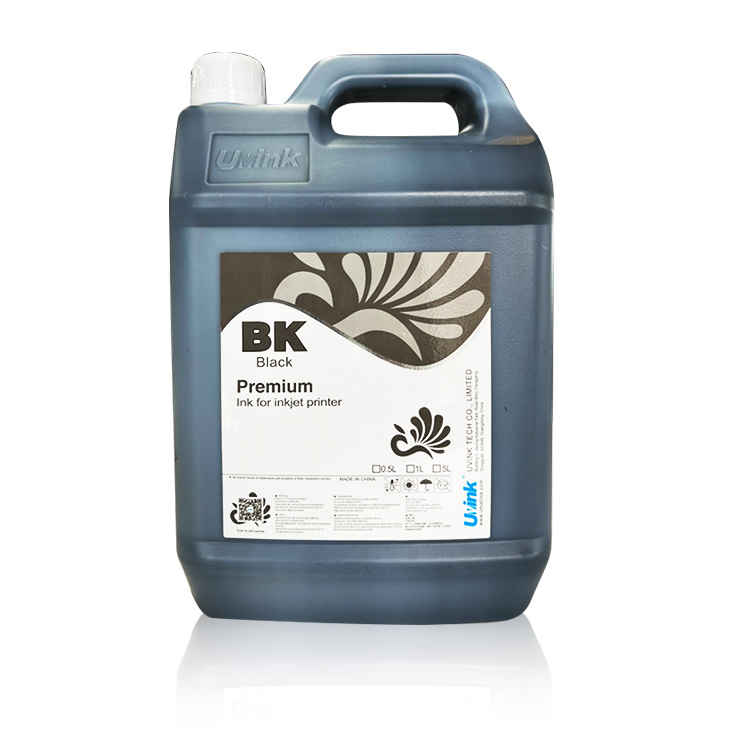 Mild Solvent Ink & Outdoor Advertising Printing – Professional Industrial Guide by UVINK
  Sublimation Ink & Epson Sublimation Ink – Full Industrial Buyer Guide by UVINK
  UVINK UV DTF Ink & What Are UV DTF Stickers – Complete Industrial Guide
 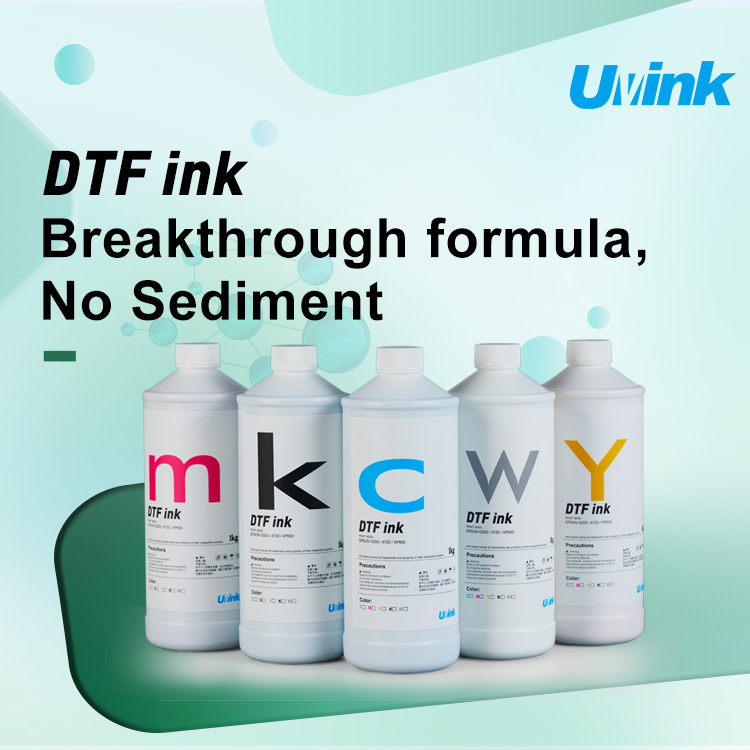 UVINK Economic DTF ink: Complete Buyer Guide for dtf for shirts Printing
  Sublimation Ink & Printer Color Ink: Industrial B2B Technical Guide
  UV DTF Ink & How to Make UV DTF Stickers: Industrial Production Guide
  Solvent Ink for Wide Format Ink Jet Printer: Industrial Technical Guide
  Sublimation Ink: Professional Technical Guide for Epson Printers
  Eco-solvent Ink: Professional Industrial Guide for Epson Pro Printers
  DTF Ink: Professional Industrial Guide for Procolored DTF Printer L1800