
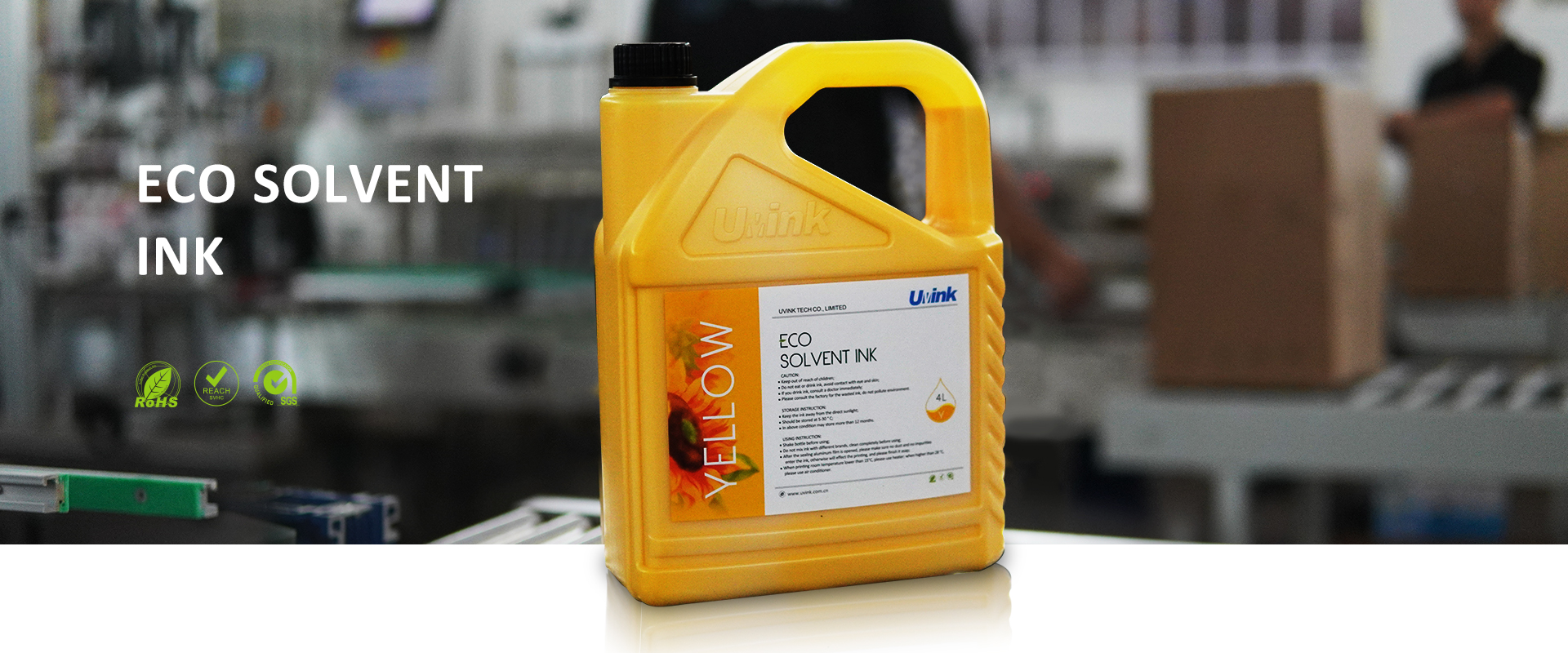
Characteristics of solvent ink.
author: Uvink
2022-11-22
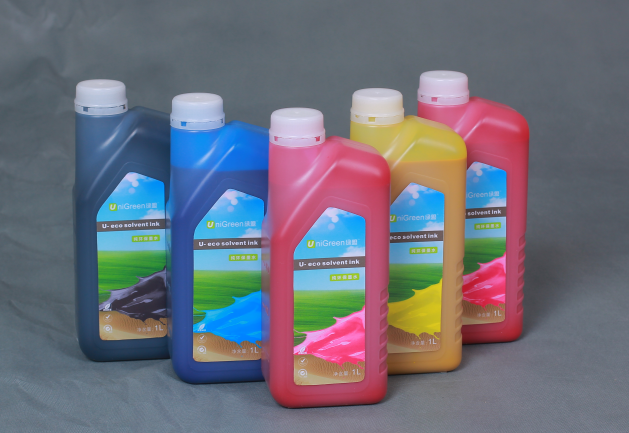
Characteristics of solvent ink.Usually, pictures made of water-based ink are
mainly used indoors because of poor weather resistance. As an outdoor
application field, solvent based ink was basically used in the early stage.
The main component of solvent based ink is organic solvent. Generally, ester
and ketone solvents are used. In the process of combining with the medium,
the medium is first swelled, then fused, and the colorant in the ink is closely
combined with the substrate. Therefore, solvent based ink does not require
the medium to be coated, and its volatilization speed is fast, which can meet
the requirements of high-speed printing. However, the biggest problem of
solvent ink is environmental protection, because eco solvent ink was developed
under such circumstances. It was first used on high-precision Epson nozzles.
Take Mimaki's JV3 as an example. The image precision produced with
eco solvent ink is comparable to that of water-based ink, and it can also be used on
uncoated substrates, and it can also prevent uv rays. It is suitable for outdoor use,
so it quickly becomes the favorite of the new generation of ink-jet painting.

Characteristics of solvent ink.Compared with solvent ink, the biggest change of
eco solvent ink is its friendliness to the environment, which is mainly reflected in
the reduction of volatile VOC, the elimination of many toxic organic solvents
(such as cyclohexanone, butanone and other solvents), and the elimination of
ventilation devices in the production workshop of eco solvent inkjet printer.
Characteristics of solvent ink.However, we must see that the main component of
eco solvent ink is still organic solvent. Objectively speaking, eco solvent ink is a
classification of solvent based ink and a so-called "environment-friendly" version.
The content of volatile organic compounds in the medium is high,
which will certainly be subject to many restrictions in the long run.
mainly used indoors because of poor weather resistance. As an outdoor
application field, solvent based ink was basically used in the early stage.
The main component of solvent based ink is organic solvent. Generally, ester
and ketone solvents are used. In the process of combining with the medium,
the medium is first swelled, then fused, and the colorant in the ink is closely
combined with the substrate. Therefore, solvent based ink does not require
the medium to be coated, and its volatilization speed is fast, which can meet
the requirements of high-speed printing. However, the biggest problem of
solvent ink is environmental protection, because eco solvent ink was developed
under such circumstances. It was first used on high-precision Epson nozzles.
Take Mimaki's JV3 as an example. The image precision produced with
eco solvent ink is comparable to that of water-based ink, and it can also be used on
uncoated substrates, and it can also prevent uv rays. It is suitable for outdoor use,
so it quickly becomes the favorite of the new generation of ink-jet painting.
Characteristics of solvent ink.Compared with solvent ink, the biggest change of
eco solvent ink is its friendliness to the environment, which is mainly reflected in
the reduction of volatile VOC, the elimination of many toxic organic solvents
(such as cyclohexanone, butanone and other solvents), and the elimination of
ventilation devices in the production workshop of eco solvent inkjet printer.
Characteristics of solvent ink.However, we must see that the main component of
eco solvent ink is still organic solvent. Objectively speaking, eco solvent ink is a
classification of solvent based ink and a so-called "environment-friendly" version.
The content of volatile organic compounds in the medium is high,
which will certainly be subject to many restrictions in the long run.
 Sublimation Ink Buying Guide for sublimation printer ink | UVINK
  DTF ink Selection Guide for dtg dtf printer | UVINK
  UV DTF Ink: What Is UV DTF for Digital Printing?
  Economic DTF Ink for DTF Printer Procolored – No‑Clog, Cost‑Effective Industrial Printing Solution
  Economic‑Grade DTF Ink – Complete Industrial Guide: How To Make DTF Transfers With Inkjet Printer
  Industrial‑Grade UV DTF Ink – Complete Buying Guide for UV DTF Stickers for Tumblers Production
  UVINK Eco Solvent Ink – Complete Industrial Buying Guide for Car Wrap Advertising Projects
  Fluorescent Sublimation Ink & Sublimation Printer Ink – Full Industrial UVINK Buyer Guide
  UVINK Economic DTF Ink – Complete Industrial Guide for DTF Printing Ink Users
 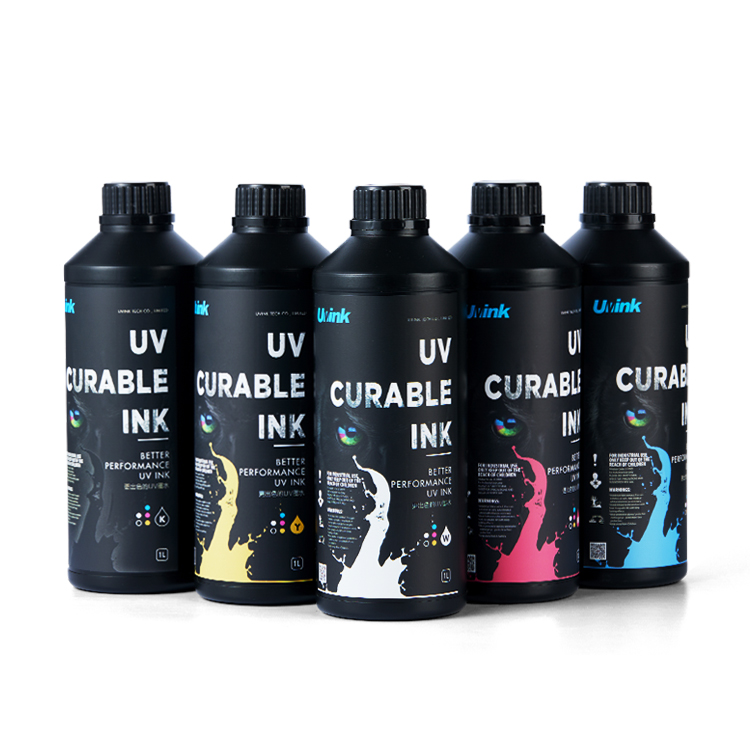 Professional‑Grade UV DTF Ink for High‑Quality UV DTF Prints – UVINK Complete Industrial Buying Guide
 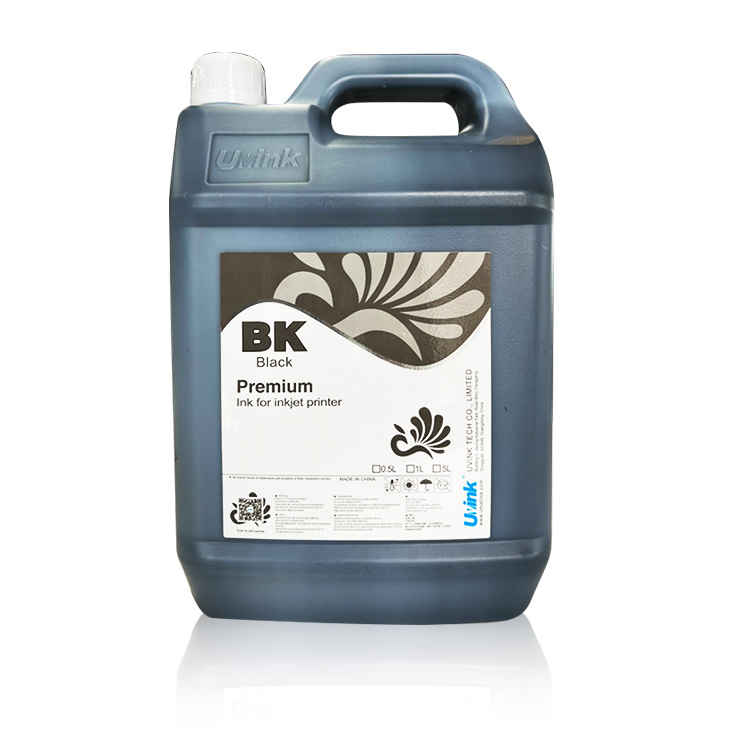 Mild Solvent Ink & Outdoor Advertising Printing – Professional Industrial Guide by UVINK
  Sublimation Ink & Epson Sublimation Ink – Full Industrial Buyer Guide by UVINK
  UVINK UV DTF Ink & What Are UV DTF Stickers – Complete Industrial Guide
 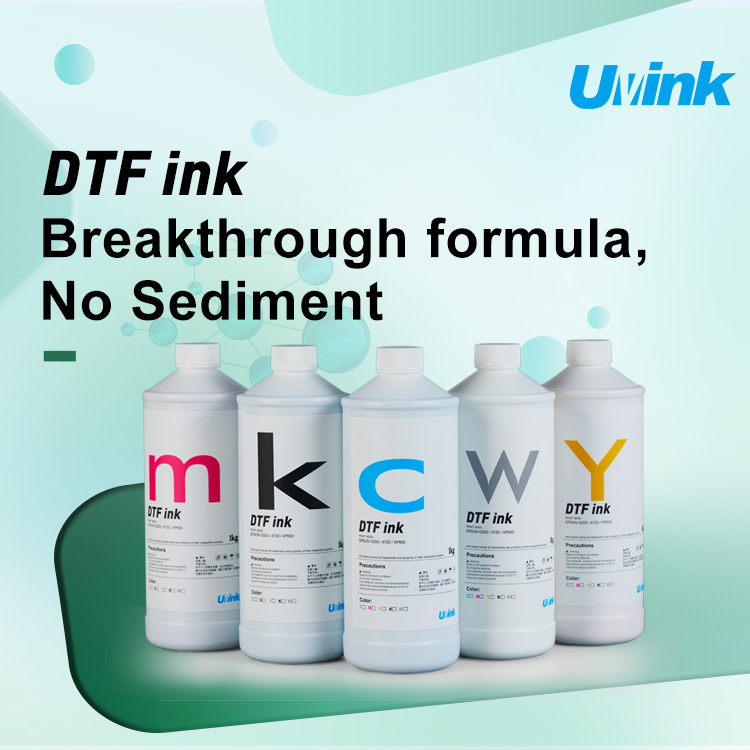 UVINK Economic DTF ink: Complete Buyer Guide for dtf for shirts Printing
  Sublimation Ink & Printer Color Ink: Industrial B2B Technical Guide
  UV DTF Ink & How to Make UV DTF Stickers: Industrial Production Guide
  Solvent Ink for Wide Format Ink Jet Printer: Industrial Technical Guide
  Sublimation Ink: Professional Technical Guide for Epson Printers
  Eco-solvent Ink: Professional Industrial Guide for Epson Pro Printers
  DTF Ink: Professional Industrial Guide for Procolored DTF Printer L1800