
What problems will the ink viscosity not meet the printing requirements?
When the viscosity of the ink is too high, the stringiness is strong. During the ink
transfer process, when the ink rollers are split, the ends of the filaments can easily
cause free ink droplets to fly into the air, forming the phenomenon of flying ink in
printing. The phenomenon of flying ink is more obvious when printing at high speed.
If the viscosity of the ink is too high, it is easy to cause the phenomenon of powdering,
napping or delamination of the paper. This is due to the fact that the viscosity of
the ink exceeds the surface strength of the paper under certain printing conditions.
When the ink is transferred and transferred between the ink rollers, the excessive
viscosity will make the ink transfer difficult, because the transfer rate of the ink is inversely
proportional to the viscosity. Therefore, excessive ink viscosity will lead to uneven
distribution of ink, insufficient ink transferred to the printing plate and printed matter,
uneven ink color, and the phenomenon that the graphic foundation of
printed matter is exposed.
The viscosity of the ink is too small, the fluidity increases, and the appearance shows
that the ink is thinner. Ink emulsification is prone to occur in lithographic offset printing,
resulting in dirty printed matter. Ink with too low viscosity tends to spread on paper,
resulting in enlarged imprinted area and decreased clarity. Moreover, the firmness of
the combination with the surface of the substrate and the gloss of the imprint after
the blot is dried and conjunctiva is reduced.When the viscosity of the ink is too small,
it is often impossible to drive the pigment with larger particles in the ink to transfer
together, and the particles gradually deposit on the ink roller, blanket or printing
plate, forming a stacking phenomenon.
 Sublimation Ink Buying Guide for sublimation printer ink | UVINK
  DTF ink Selection Guide for dtg dtf printer | UVINK
  UV DTF Ink: What Is UV DTF for Digital Printing?
  Economic DTF Ink for DTF Printer Procolored – No‑Clog, Cost‑Effective Industrial Printing Solution
  Economic‑Grade DTF Ink – Complete Industrial Guide: How To Make DTF Transfers With Inkjet Printer
  Industrial‑Grade UV DTF Ink – Complete Buying Guide for UV DTF Stickers for Tumblers Production
 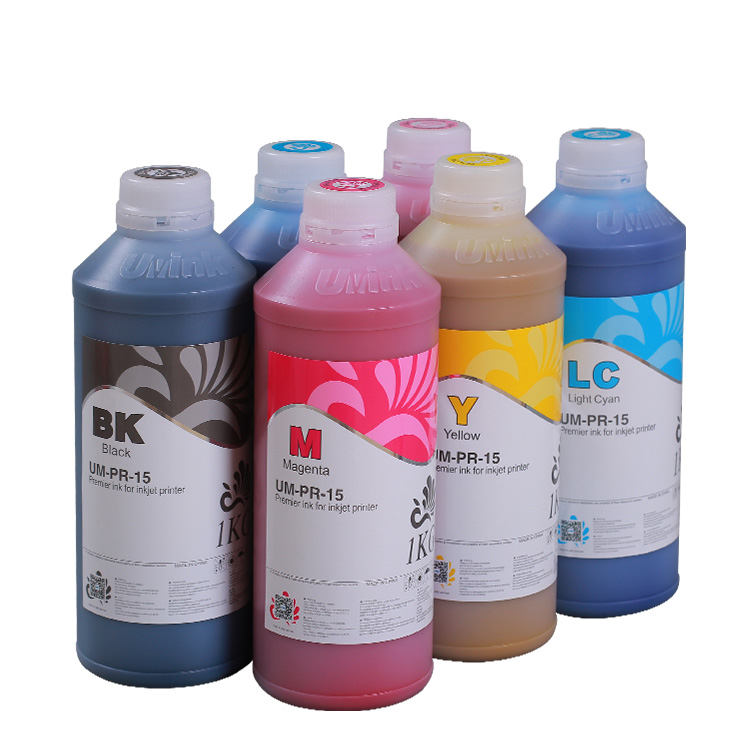 UVINK Eco Solvent Ink – Complete Industrial Buying Guide for Car Wrap Advertising Projects
 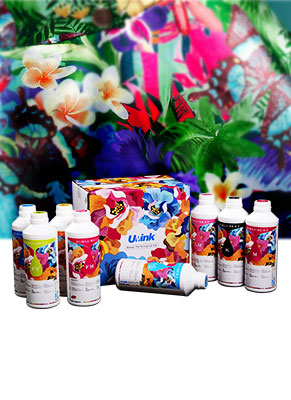 Fluorescent Sublimation Ink & Sublimation Printer Ink – Full Industrial UVINK Buyer Guide
  UVINK Economic DTF Ink – Complete Industrial Guide for DTF Printing Ink Users
 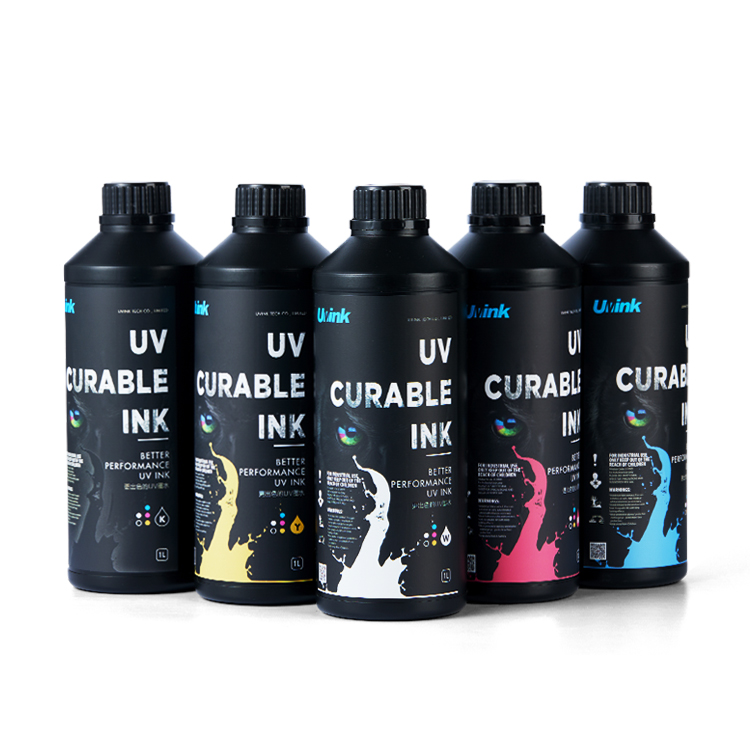 Professional‑Grade UV DTF Ink for High‑Quality UV DTF Prints – UVINK Complete Industrial Buying Guide
 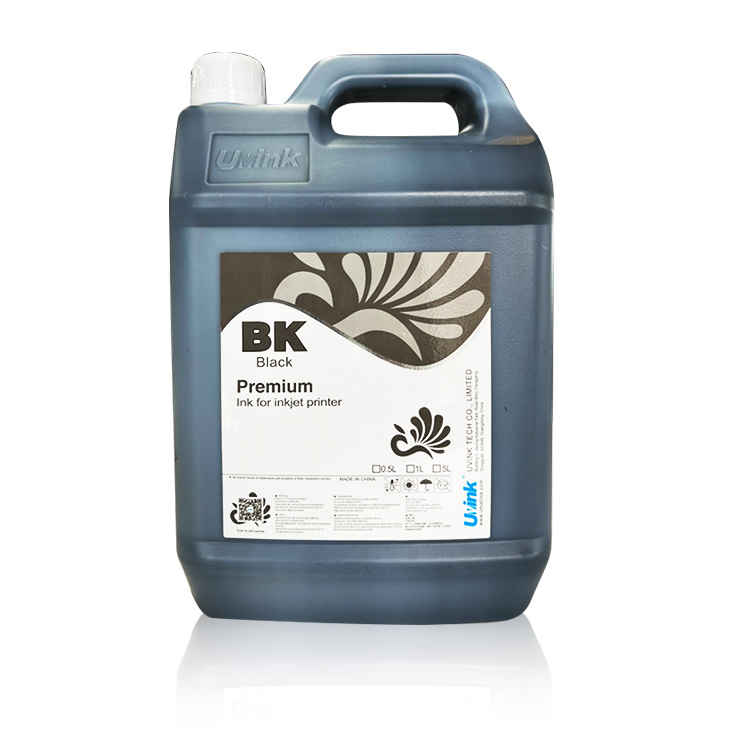 Mild Solvent Ink & Outdoor Advertising Printing – Professional Industrial Guide by UVINK
  Sublimation Ink & Epson Sublimation Ink – Full Industrial Buyer Guide by UVINK
  UVINK UV DTF Ink & What Are UV DTF Stickers – Complete Industrial Guide
 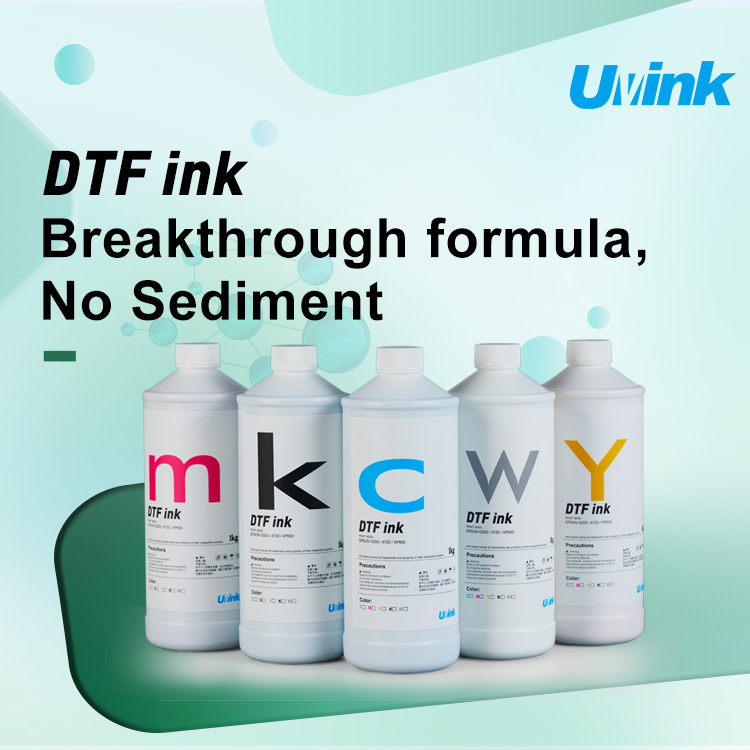 UVINK Economic DTF ink: Complete Buyer Guide for dtf for shirts Printing
  Sublimation Ink & Printer Color Ink: Industrial B2B Technical Guide
  UV DTF Ink & How to Make UV DTF Stickers: Industrial Production Guide
  Solvent Ink for Wide Format Ink Jet Printer: Industrial Technical Guide
  Sublimation Ink: Professional Technical Guide for Epson Printers
  Eco-solvent Ink: Professional Industrial Guide for Epson Pro Printers
  DTF Ink: Professional Industrial Guide for Procolored DTF Printer L1800