
Sublimation Ink: Ultimate Industrial Guide for “Can You Use Sublimation Ink for Regular Printing”
Most industrial printing factories and professional engineers face typical technical confusion and production risks when using sublimation ink. The most searched industrial question from bulk buyers is can you use sublimation ink for regular printing. Improper ink application leads to incomplete color transfer, weak adhesion, faded patterns, printhead clogging and large-area product rejection. This EEAT-optimized B2B guide provides authoritative industrial definitions, standardized classifications, lab-verified technical data, practical application rules and professional selection steps to help global printing purchasers avoid trial errors and maintain stable mass production.
Table of Contents
- Definition & Authoritative Industrial Explanation
- Sublimation Ink Classification & Global Industry Standards
- Core Technical Parameters & Authoritative Lab Data
- Industrial Application Scenarios of Sublimation Ink
- Standard Selection Steps for Industrial Buyers
- Professionally Verified FAQs (With Authoritative Sources)
- Conclusion & Official B2B Inquiry CTA
Definition & Authoritative Industrial Explanation
Sublimation ink is a professional water-based disperse dye ink specially developed for thermal sublimation transfer printing in the digital printing industry. Different from ordinary pigment ink used for daily office printing, industrial sublimation ink relies on high-temperature gasification penetration instead of surface adhesion. After heating at 180–210°C, ink molecules sublimate and penetrate into polyester fiber structures, achieving permanent, wash-proof and crack-free color integration. Technically, you cannot use sublimation ink for regular printing on common paper, cotton fabric and non-polymer materials, because no effective penetration or adhesion can be formed. UVINK industrial sublimation ink strictly complies with global textile safety standards, featuring high transfer rate, ultra-stable color performance and long-term batch consistency for industrial continuous production.
Sublimation Ink Classification & Global Industry Standards
Professional Sublimation Ink Classification
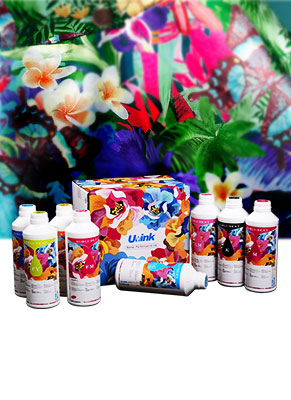
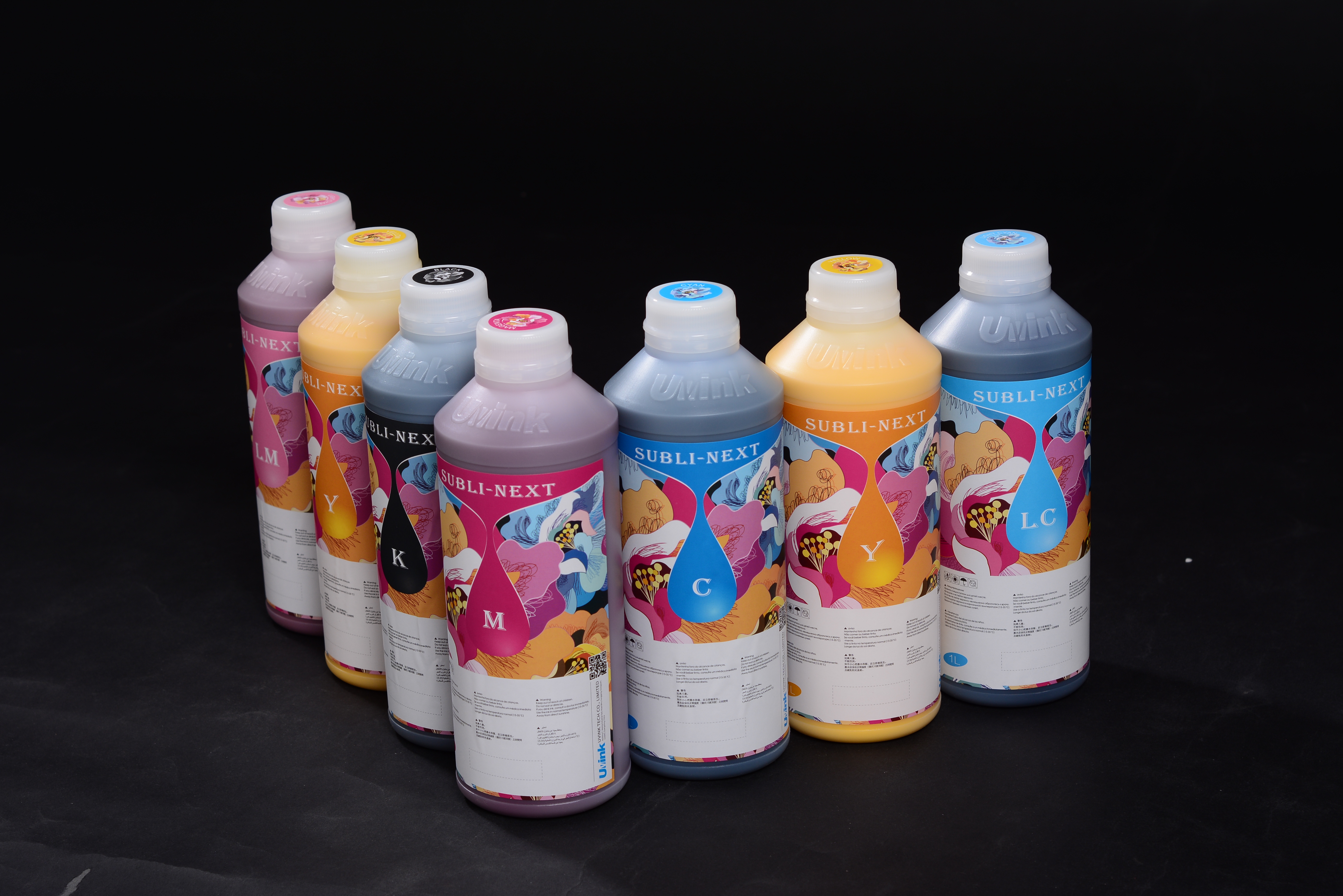
- By Color Configuration: Standard 4-color CMYK set for daily production; 6-color LC/LM high-precision set for gradient printing; wide-gamut 8-color set for high-end customized products
- By Industrial Grade: Commercial standard grade, high-transfer industrial grade, outdoor UV-resistant weatherproof grade
- By Printhead Compatibility: Fully compatible with Epson XP600, I3200, 4720, DX5 and mainstream industrial printheads
- By Application Field: Textile sublimation, ceramic transfer, metal coating transfer, rigid substrate sublimation
Global Industrial Compliance Standards
- OEKO-TEX Standard 100: Global textile safety certification for export products
- ISO 105-X02: International color fastness test standard for textiles
- REACH & RoHS compliance: Zero harmful volatile substances
- Industrial standard for ink viscosity stability and continuous printing performance
Core Technical Parameters & Authoritative Lab Data
| Technical Parameter | UVINK Industrial Sublimation Ink | Ordinary Market Sublimation Ink |
|---|---|---|
| Working Viscosity (25℃) | 3.5–4.5 mPa·s | 2.8–6.0 mPa·s |
| Sublimation Transfer Rate | ≥98% | 85%–92% |
| Color Fastness Grade | Grade 4–5 | Grade 3–4 |
| Continuous Printing Stability | 1000h+ No clogging | 300h+ Easy sedimentation |
| Color Gamut Coverage | 97% Standard RGB Gamut | 82%–90% Gamut |
| Shelf Life | 12 Months | 6–8 Months |
Source: UVINK Independent Industrial Laboratory Test Report 2026
Industrial Application Scenarios of Sublimation Ink
Industrial sublimation ink is exclusively used for polymer sublimation transfer production and cannot adapt to regular printing scenarios. Its mainstream industrial applications include:
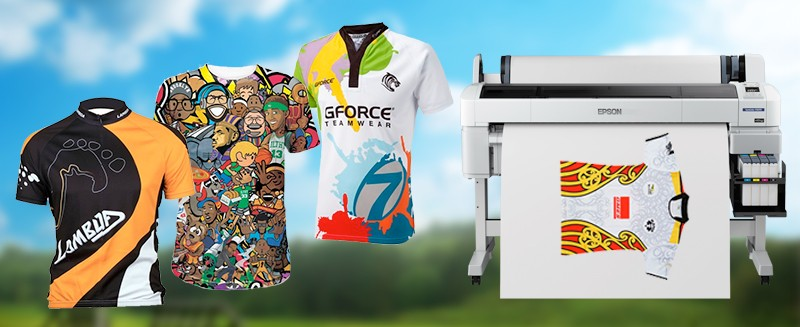
- Mass printing of polyester sportswear, jerseys, swimwear and team uniforms
- Home textile sublimation: curtains, tablecloths, pillowcases and polyester fabrics
- Custom sublimation crafts: mugs, ceramic tiles, metal plates and promotional gifts
- Outdoor polyester banners, flag cloth and advertising signage printing
- High-end customized textile digital transfer processing
Standard Selection Steps for Industrial Buyers
Professional purchasing engineers must follow standardized steps to select qualified sublimation ink and avoid production failures caused by incorrect use for regular printing:
- Confirm printhead model to match professional sublimation ink viscosity and particle parameters
- Select color set configuration according to printing precision and gradient requirements
- Verify transfer rate ≥98% to ensure industrial mass production yield
- Check color fastness compliance to meet export textile standards
- Confirm OEKO-TEX, REACH and RoHS certifications for cross-border orders
- Test continuous printing stability before bulk procurement to avoid printhead clogging
Professionally Verified FAQs (With Authoritative Sources)
Q1: Can you use sublimation ink for regular printing?
A: No. Sublimation ink is a special disperse dye ink that requires high-temperature gasification and fiber penetration. It cannot form stable color layers on regular printing paper, cotton and non-polymer surfaces, resulting in fading, peeling and invalid patterns.
Source: UVINK 2026 Industrial Printing Technical Specification
Q2: What is the core difference between sublimation ink and regular printing ink?
A: Regular printing ink relies on surface physical adhesion, while sublimation ink relies on high-temperature molecular sublimation and internal fiber fusion. The two formulas, viscosity parameters and printing principles are completely incompatible and cannot replace each other.
Source: Digital Ink Industry Official Technical Standard
Q3: Will using sublimation ink on regular printing equipment cause damage?
A: Yes. Mismatched viscosity and particle characteristics will cause sediment accumulation in printheads and ink pipelines, leading to blockage, missing nozzles and long-term equipment failure.
Source: UVINK Equipment Compatibility Test Report
Q4: What materials are suitable for UVINK industrial sublimation ink?
A: It is suitable for all polyester textiles and polymer-coated substrates including ceramics, metals and glass, with 98%+ transfer rate and grade 4–5 professional wash fastness.
Source: UVINK Official Product Parameter Manual
Q5: What is the shelf life of UVINK sublimation ink?
A: 12 months under sealed, cool, dry and light-proof storage conditions with stable performance and no precipitation.
Source: UVINK Quality Inspection Standard Document
Conclusion & Official B2B Inquiry CTA
Clearing up the misunderstanding of can you use sublimation ink for regular printing is essential for stable industrial printing production. Sublimation ink is a professional industrial consumable exclusive to polymer sublimation transfer, not a universal ink for regular printing. UVINK industrial sublimation ink provides high transfer efficiency, excellent color restoration, stable batch consistency and complete certification support, helping global B2B printing factories reduce defective rates and improve market competitiveness.
Request Free Technical Datasheet & Wholesale Quotation
Official Website: www.uvink.com.cn
WhatsApp/WeChat: +86-17728901582
Official Email: sales8@uvink.com.cn

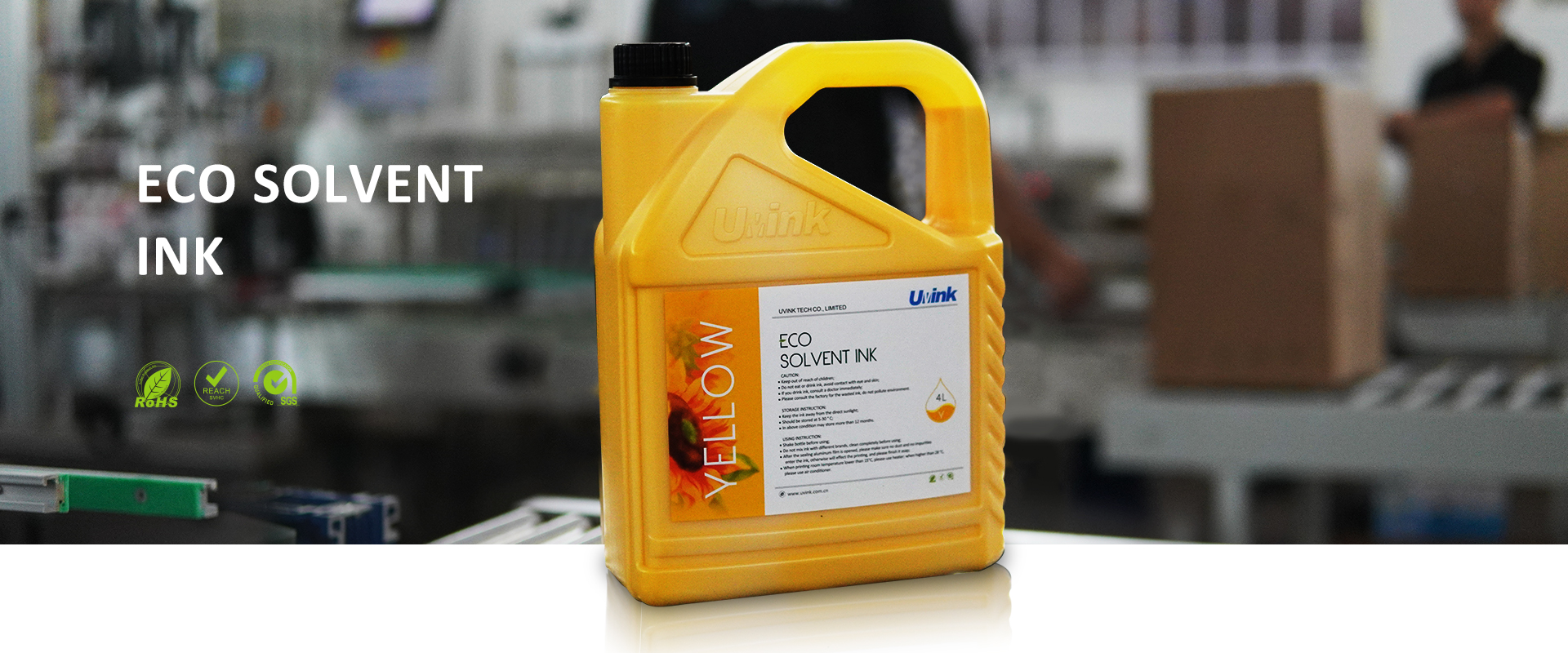
Uvink Tech. Co., Limited has specialized in R&D and the sales of digital ink-jet products, such as Eco/Solvent ink, UV Curable Ink, Sublimation Ink, DTG Pigment Ink, DTF pigment ink, Eco-solvent ink for leather, Ink for Character marking on PCB, Carton ink and Dye ink etc. since 2003. With 18 years experiences in digital ink-jet printing field, the technician team of Uvink company masters the latest US and Japan technology to research the innovative ink formulas and mature production skills. Our production lines are equipped with the top R&D team, imported machines and advanced analysis instruments, which produce ink at dust-free workshop in constant temperature and humidity environment. The automatic refilling and packing process ensure the product keep consistent quality. Monthly production capacity can reach more than 3000 tons.We also offer customized Ink OEM and ODM services.The 30,000 square meter’s new modern ink industrial park will be put into operation soon.With the concept of "Environmental Protection is the Future", ink-jet printing products of Uvink company have passed Swiss SGS company's ROHS, REACH environmental certifications. Its environmentally friendly formula not only increases the life of the nozzles, but also reduces the wastes of the resources. It can be said that it is a perfect balance between commodities and environmental protection.
 Sublimation Ink Buying Guide for sublimation printer ink | UVINK
  DTF ink Selection Guide for dtg dtf printer | UVINK
  UV DTF Ink: What Is UV DTF for Digital Printing?
  Economic DTF Ink for DTF Printer Procolored – No‑Clog, Cost‑Effective Industrial Printing Solution
  Economic‑Grade DTF Ink – Complete Industrial Guide: How To Make DTF Transfers With Inkjet Printer
  Industrial‑Grade UV DTF Ink – Complete Buying Guide for UV DTF Stickers for Tumblers Production
 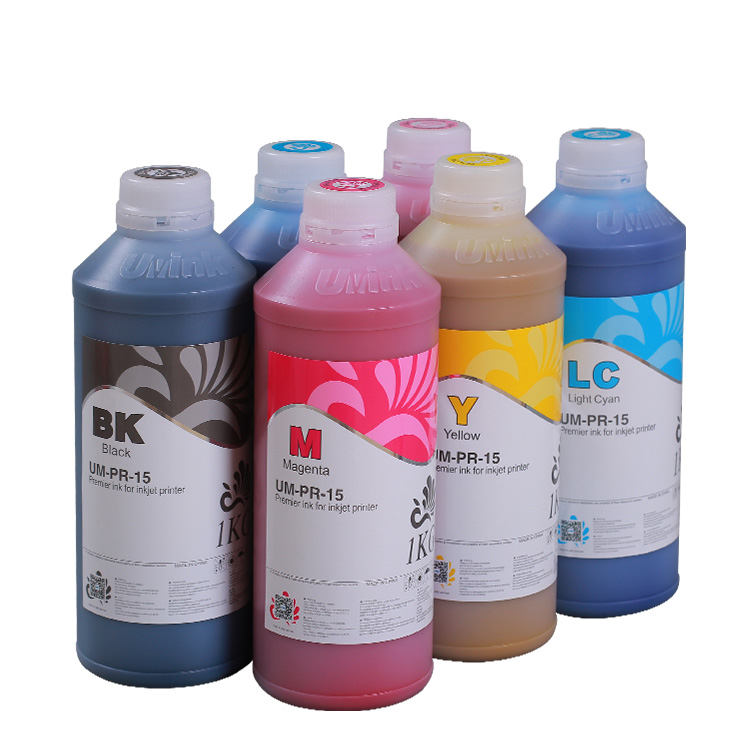 UVINK Eco Solvent Ink – Complete Industrial Buying Guide for Car Wrap Advertising Projects
  Fluorescent Sublimation Ink & Sublimation Printer Ink – Full Industrial UVINK Buyer Guide
  UVINK Economic DTF Ink – Complete Industrial Guide for DTF Printing Ink Users
 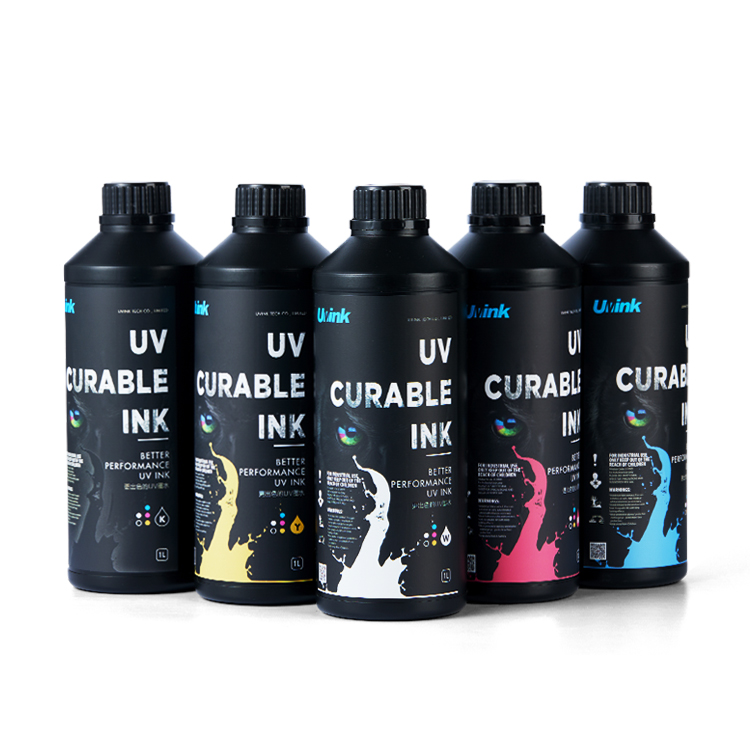 Professional‑Grade UV DTF Ink for High‑Quality UV DTF Prints – UVINK Complete Industrial Buying Guide
 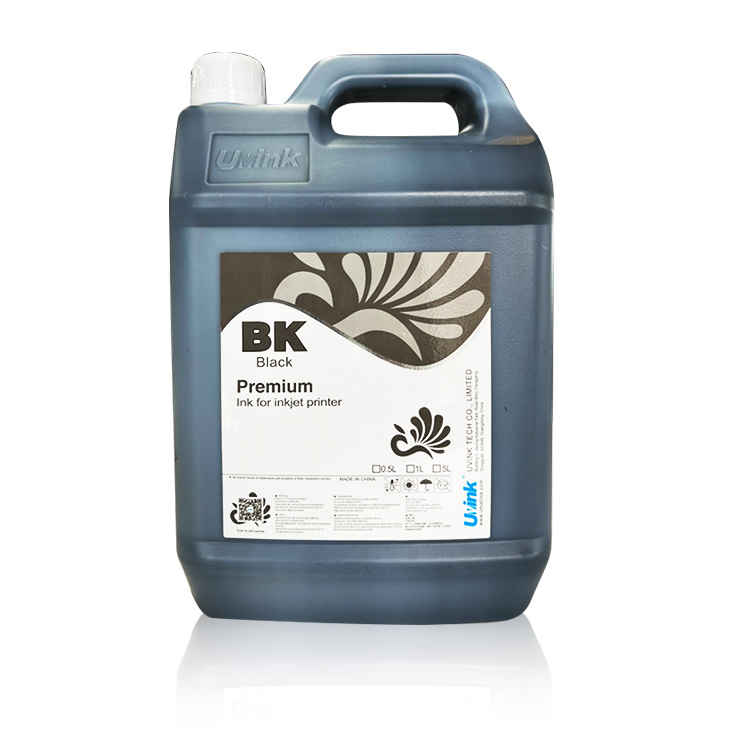 Mild Solvent Ink & Outdoor Advertising Printing – Professional Industrial Guide by UVINK
  Sublimation Ink & Epson Sublimation Ink – Full Industrial Buyer Guide by UVINK
  UVINK UV DTF Ink & What Are UV DTF Stickers – Complete Industrial Guide
 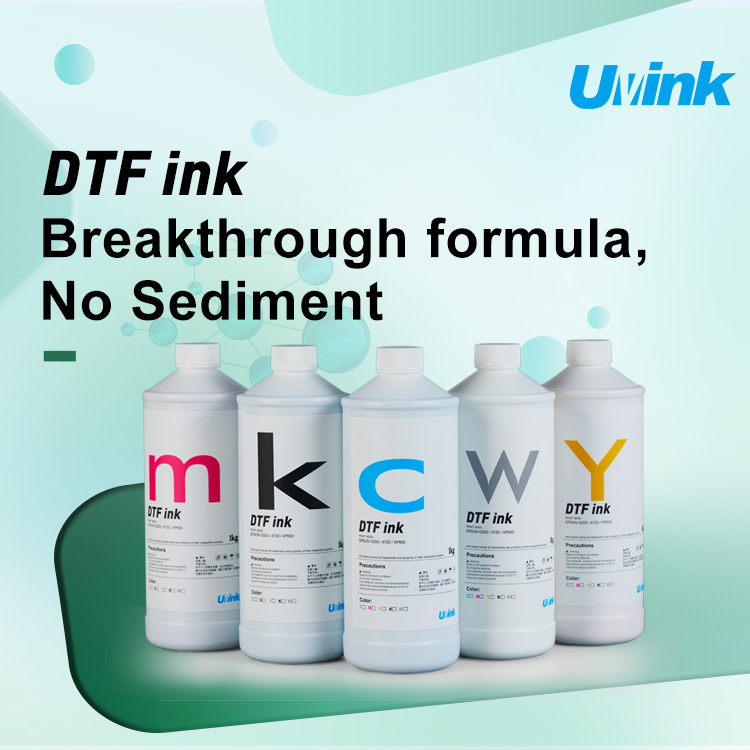 UVINK Economic DTF ink: Complete Buyer Guide for dtf for shirts Printing
  Sublimation Ink & Printer Color Ink: Industrial B2B Technical Guide
  UV DTF Ink & How to Make UV DTF Stickers: Industrial Production Guide
  Solvent Ink for Wide Format Ink Jet Printer: Industrial Technical Guide
 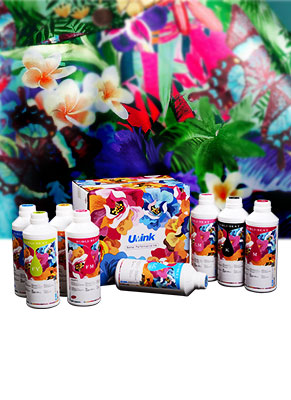 Sublimation Ink: Professional Technical Guide for Epson Printers
  Eco-solvent Ink: Professional Industrial Guide for Epson Pro Printers
  DTF Ink: Professional Industrial Guide for Procolored DTF Printer L1800