
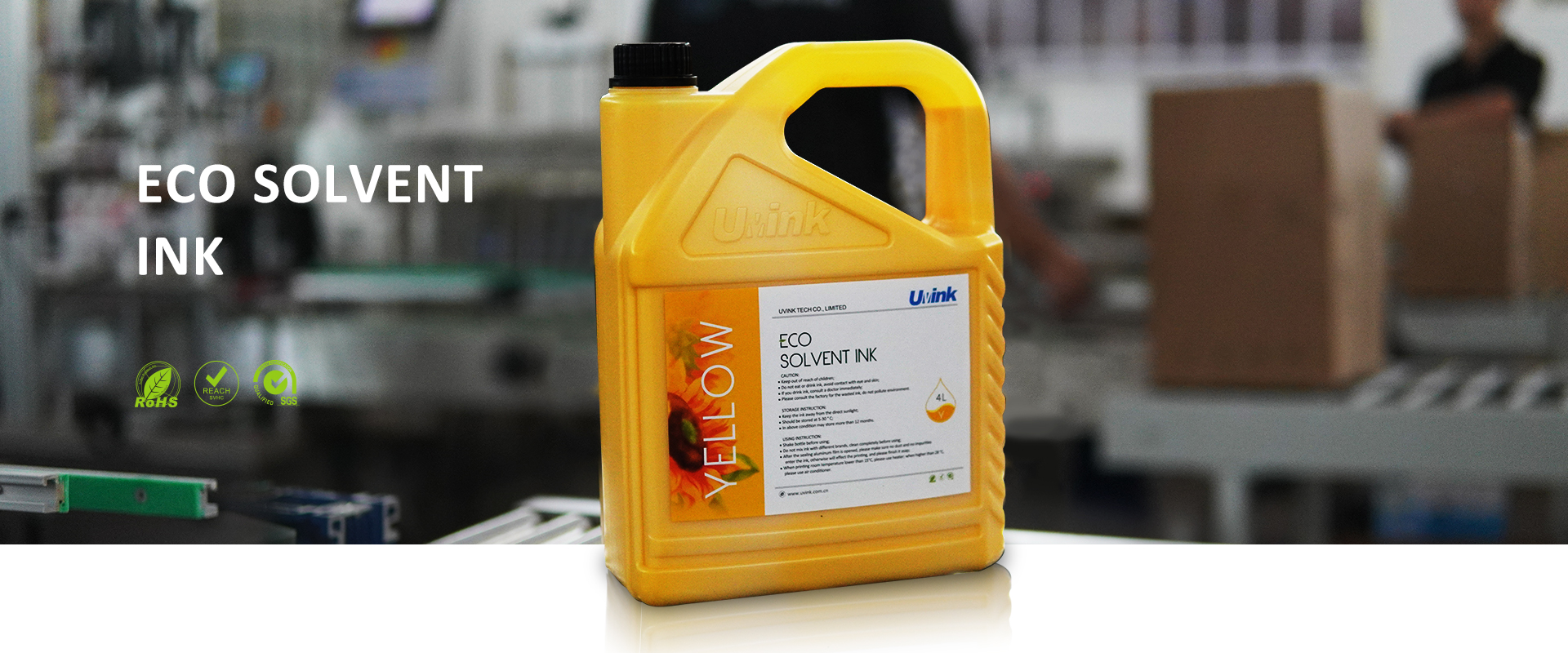
Sublimation Ink: Can You Use Sublimation Ink for Regular Printing? Full Industrial Guide

Print engineers and bulk buyers often face confusion: can you use sublimation ink for regular printing? Using sublimation ink on standard paper or regular printers causes fading, smudging, poor durability, material waste, and even printhead damage. Low-quality sublimation ink also brings unstable color, low fastness, and non-compliance risks. This professional guide gives authoritative definitions, industry standards, lab-tested parameters, correct applications, selection steps, and verified FAQs to avoid misuse and ensure stable industrial production.
Table of Contents
Definition & Authoritative Explanation of Sublimation Ink
Sublimation ink is a water-based dye ink designed exclusively for heat transfer printing. Under 180–205°C, dye particles sublimate into gas and bond with polyester fibers at a molecular level. It does NOT work for standard room-temperature paper printing.
To directly answer can you use sublimation ink for regular printing: No. Sublimation ink requires heat activation. On regular paper, it absorbs deeply, loses 40–60% color density, smears easily, and produces no usable durable prints. UVINK industrial sublimation ink is formulated for transfer only, with stable jetting and anti-clog performance.

Sublimation Ink Classification & Global Industry Standards
Professional Classification
- By color: CMYK 4-color, CMYK+LC+LM 6-color high-precision set
- By grade: commercial grade, industrial mass-production grade
- By printhead: for Epson I3200, XP600, 4720, Ricoh G6
- By certification: OEKO-TEX, REACH compliant
International Compliance Standards
- OEKO-TEX ECO PASSPORT Class 1 for textiles & baby products
- EU REACH compliant, no restricted substances
- ISO 105-B02 light fastness, ISO 105-X12 rubbing fastness
Core Technical Parameters & Authoritative Lab Data
| Parameter | UVINK Sublimation Ink | Regular Printing Ink |
|---|---|---|
| Ink Type | Water-based sublimation dye | Water-based pigment |
| Viscosity (25℃) | 9–12 mPa·s | 6–10 mPa·s |
| Particle Size | ≤180nm | 200–300nm |
| Curing Method | 180–205℃ heat press | Room temperature air dry |
| Light Fastness | Grade 6–7 | Grade 3–4 |
| Shelf Life | 12 months (sealed, 5–30℃) | 6–8 months |
Source: UVINK 2026 Lab Report, OEKO-TEX, ISO 105 Standards
Industrial Application Scenarios
Sublimation ink only works on polyester & polymer-coated substrates. It is not suitable for regular paper printing.
- Polyester textiles: sportswear, flags, banners, apparel
- Coated products: mugs, phone cases, metal, acrylic
- Custom gifts & industrial mass transfer production

Standard Selection Steps for Industrial Buyers
- Confirm production purpose: only choose sublimation ink for heat transfer projects
- Match color set: 4-color for standard jobs, 6-color for high-end customization
- Check particle size ≤180nm to avoid printhead clogging
- Verify light & rubbing fastness grades for export orders
- Confirm OEKO-TEX & REACH certifications for global sales
- Match piezoelectric printheads only, avoid thermal printers
- Check batch stability and 12-month shelf life
Professional FAQs (Verified Sources)
Q1: Can you use sublimation ink for regular printing?
A: No. Sublimation ink requires high-temperature heat activation and is not designed for regular paper printing. It causes serious fading, smudging and unusable prints.
Source: UVINK 2026 Compatibility Test Report
Q2: What happens if I use sublimation ink on regular paper?
A: The ink is deeply absorbed, color density drops sharply, patterns fade easily and smudge in water, making prints unqualified for formal use.
Source: UVINK Finished Product Test Data
Q3: Can sublimation ink be used in regular printers?
A: Only piezoelectric printhead printers are compatible. Thermal printers will cause ink sublimation inside and permanent printhead damage.
Source: Industrial Printhead Matching Standard
Q4: What is the core difference between sublimation ink and regular ink?
A: Sublimation ink relies on heat-activated molecular bonding; regular ink uses surface adhesion. They cannot replace each other.
Source: ISO Printing Ink Classification Standard
Q5: Is UVINK sublimation ink suitable for mass production?
A: Yes. It features stable viscosity, consistent color, anti-clog formula and high fastness for long-run industrial printing.
Source: UVINK Official Product Datasheet
Conclusion & Official Inquiry
Understanding the limits of sublimation ink and answering can you use sublimation ink for regular printing is critical to avoid production failures. Sublimation ink is only for polyester transfer printing, not regular paper use. UVINK provides certified, stable industrial sublimation ink to improve production efficiency and product quality.
Get Technical Datasheet & Wholesale Price

Uvink Tech. Co., Limited has specialized in R&D and the sales of digital ink-jet products, such as Eco/Solvent ink, UV Curable Ink, Sublimation Ink, DTG Pigment Ink, DTF pigment ink, Eco-solvent ink for leather, Ink for Character marking on PCB, Carton ink and Dye ink etc. since 2003. With 18 years experiences in digital ink-jet printing field, the technician team of Uvink company masters the latest US and Japan technology to research the innovative ink formulas and mature production skills. Our production lines are equipped with the top R&D team, imported machines and advanced analysis instruments, which produce ink at dust-free workshop in constant temperature and humidity environment. The automatic refilling and packing process ensure the product keep consistent quality. Monthly production capacity can reach more than 3000 tons.We also offer customized Ink OEM and ODM services.The 30,000 square meter’s new modern ink industrial park will be put into operation soon.With the concept of "Environmental Protection is the Future", ink-jet printing products of Uvink company have passed Swiss SGS company's ROHS, REACH environmental certifications. Its environmentally friendly formula not only increases the life of the nozzles, but also reduces the wastes of the resources. It can be said that it is a perfect balance between commodities and environmental protection.
 Sublimation Ink Buying Guide for sublimation printer ink | UVINK
  DTF ink Selection Guide for dtg dtf printer | UVINK
  UV DTF Ink: What Is UV DTF for Digital Printing?
  Economic DTF Ink for DTF Printer Procolored – No‑Clog, Cost‑Effective Industrial Printing Solution
  Economic‑Grade DTF Ink – Complete Industrial Guide: How To Make DTF Transfers With Inkjet Printer
  Industrial‑Grade UV DTF Ink – Complete Buying Guide for UV DTF Stickers for Tumblers Production
 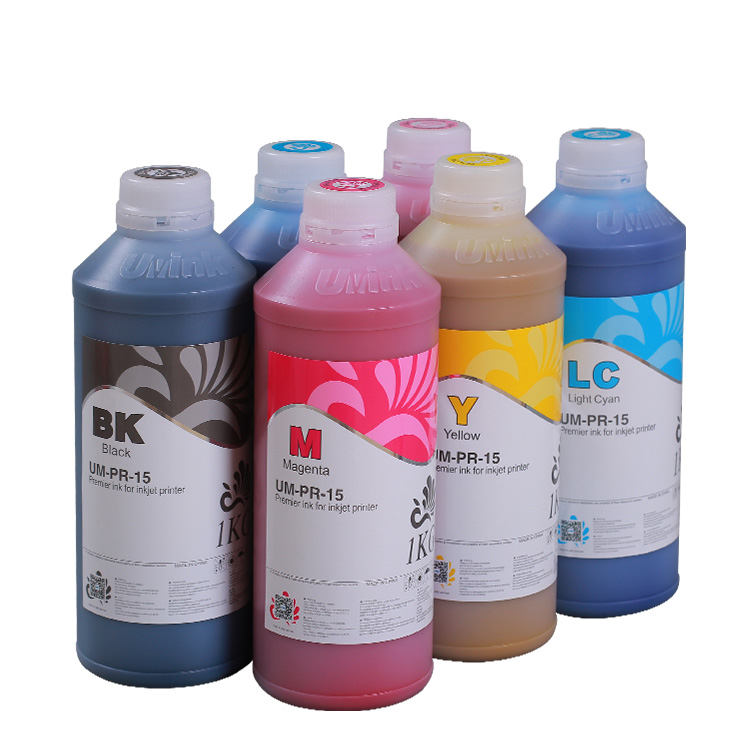 UVINK Eco Solvent Ink – Complete Industrial Buying Guide for Car Wrap Advertising Projects
  Fluorescent Sublimation Ink & Sublimation Printer Ink – Full Industrial UVINK Buyer Guide
  UVINK Economic DTF Ink – Complete Industrial Guide for DTF Printing Ink Users
 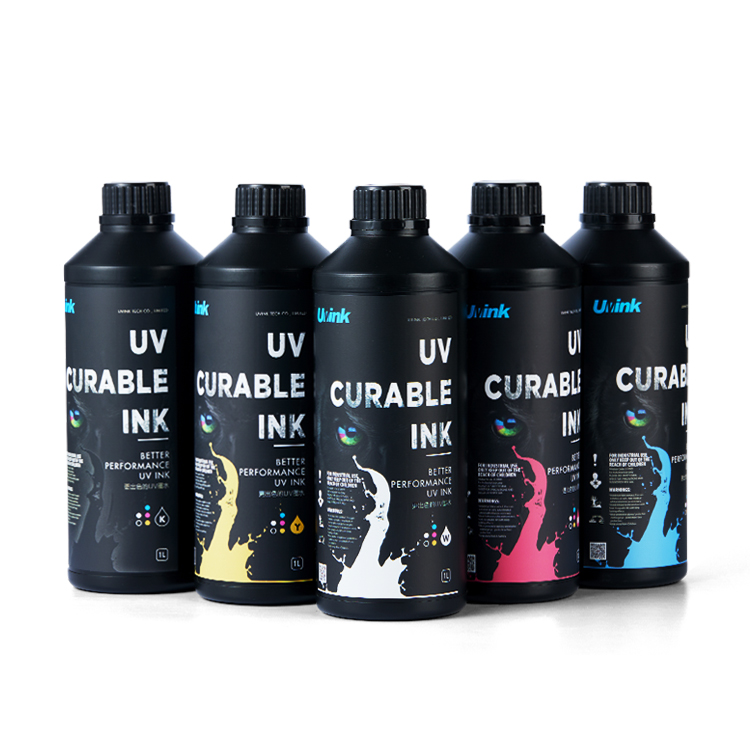 Professional‑Grade UV DTF Ink for High‑Quality UV DTF Prints – UVINK Complete Industrial Buying Guide
  Mild Solvent Ink & Outdoor Advertising Printing – Professional Industrial Guide by UVINK
  Sublimation Ink & Epson Sublimation Ink – Full Industrial Buyer Guide by UVINK
  UVINK UV DTF Ink & What Are UV DTF Stickers – Complete Industrial Guide
  UVINK Economic DTF ink: Complete Buyer Guide for dtf for shirts Printing
  Sublimation Ink & Printer Color Ink: Industrial B2B Technical Guide
  UV DTF Ink & How to Make UV DTF Stickers: Industrial Production Guide
  Solvent Ink for Wide Format Ink Jet Printer: Industrial Technical Guide
  Sublimation Ink: Professional Technical Guide for Epson Printers
  Eco-solvent Ink: Professional Industrial Guide for Epson Pro Printers
  DTF Ink: Professional Industrial Guide for Procolored DTF Printer L1800