
What is UV photoinitiator?
author: Uvink
2023-01-04
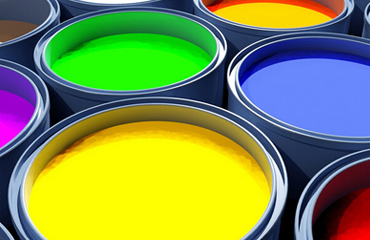
The main components of UV ink are polymerized prepolymers, photosensitive
monomers, photoinitiators, and auxiliary components are coloring pigments,
fillers, additives (leveling agents, polymerization inhibitors), etc.
Photoinitiators are substances that can absorb radiation energy and produce
active intermediates with the polymerization ability of initiators through chemical
changes. They are also the main components required by any UV curing system.
What is UV photoinitiator?
Photoinitiators can be divided into hydrogen capture type and pyrolysis type;
Hydrogen capture type is a bimolecular photoinitiator, which needs to be coordinated
with a compound containing active hydrogen (commonly called co initiator) to form free
radicals through hydrogen capture reaction; Pyrolysis type is a single molecule photoinitiator,
which is decomposed into free radicals within the molecule after being laser generated.
(1) Hydrogen capture type: Take benzophenone (BP) as an example. When benzophenone is
used alone, the olefinic monomers cannot be photopolymerized, and the requirements for it
to become a photoinitiator are different.
The reaction mechanism is different alkyl and aryl groups. When hydrogen atom is extracted
from alcohol and ether, the excited benzophenone is easily quenched by oxygen. When
hydrogen atom is extracted from amine, because ketone forms excited complex with amine
immediately after forming excited state, energy transfer to oxygen molecule is avoided, so
amine system is not easy to be quenched by oxygen. Compared with alcohol ether system,
it also reduces the possibility of energy transfer to monomer.
Therefore, amine system is generally used in practical applications. In addition to benzophenone,
this type of photoinitiator also includes anthraquinone thioxanthone, such as 2-isopropyl
thioxanthone, which is commonly used in UV inks.
(2) Pyrolysis type: Take benzoin ethers as an example, benzoin ethers were once the most
widely used photoinitiators, characterized by the direct decomposition of excited state
grams into two total free radicals. The generated free radicals can initiate monomer polymerization.
The excited state of benzoin ether has a short life and is not easily quenched by oxygen or
styrene, so it can be used for styrene polymerization. However, benzoin ether has different
degrees of thermal decomposition even if it is not exposed to light, and its storage stability
is poor. Generally, stabilizer and polymerization inhibitor should be added. At present,
benzoin dimethyl ether is commonly used.
The principles to be followed in selecting photoinitiators:
A. High light absorption efficiency in UV range;
b. Good relative stability;
c. Low cost.
monomers, photoinitiators, and auxiliary components are coloring pigments,
fillers, additives (leveling agents, polymerization inhibitors), etc.
Photoinitiators are substances that can absorb radiation energy and produce
active intermediates with the polymerization ability of initiators through chemical
changes. They are also the main components required by any UV curing system.
What is UV photoinitiator?
Photoinitiators can be divided into hydrogen capture type and pyrolysis type;
Hydrogen capture type is a bimolecular photoinitiator, which needs to be coordinated
with a compound containing active hydrogen (commonly called co initiator) to form free
radicals through hydrogen capture reaction; Pyrolysis type is a single molecule photoinitiator,
which is decomposed into free radicals within the molecule after being laser generated.
(1) Hydrogen capture type: Take benzophenone (BP) as an example. When benzophenone is
used alone, the olefinic monomers cannot be photopolymerized, and the requirements for it
to become a photoinitiator are different.
The reaction mechanism is different alkyl and aryl groups. When hydrogen atom is extracted
from alcohol and ether, the excited benzophenone is easily quenched by oxygen. When
hydrogen atom is extracted from amine, because ketone forms excited complex with amine
immediately after forming excited state, energy transfer to oxygen molecule is avoided, so
amine system is not easy to be quenched by oxygen. Compared with alcohol ether system,
it also reduces the possibility of energy transfer to monomer.
Therefore, amine system is generally used in practical applications. In addition to benzophenone,
this type of photoinitiator also includes anthraquinone thioxanthone, such as 2-isopropyl
thioxanthone, which is commonly used in UV inks.
(2) Pyrolysis type: Take benzoin ethers as an example, benzoin ethers were once the most
widely used photoinitiators, characterized by the direct decomposition of excited state
grams into two total free radicals. The generated free radicals can initiate monomer polymerization.
The excited state of benzoin ether has a short life and is not easily quenched by oxygen or
styrene, so it can be used for styrene polymerization. However, benzoin ether has different
degrees of thermal decomposition even if it is not exposed to light, and its storage stability
is poor. Generally, stabilizer and polymerization inhibitor should be added. At present,
benzoin dimethyl ether is commonly used.
The principles to be followed in selecting photoinitiators:
A. High light absorption efficiency in UV range;
b. Good relative stability;
c. Low cost.
 Sublimation Ink Buying Guide for sublimation printer ink | UVINK
  DTF ink Selection Guide for dtg dtf printer | UVINK
  UV DTF Ink: What Is UV DTF for Digital Printing?
  Economic DTF Ink for DTF Printer Procolored – No‑Clog, Cost‑Effective Industrial Printing Solution
  Economic‑Grade DTF Ink – Complete Industrial Guide: How To Make DTF Transfers With Inkjet Printer
  Industrial‑Grade UV DTF Ink – Complete Buying Guide for UV DTF Stickers for Tumblers Production
  UVINK Eco Solvent Ink – Complete Industrial Buying Guide for Car Wrap Advertising Projects
 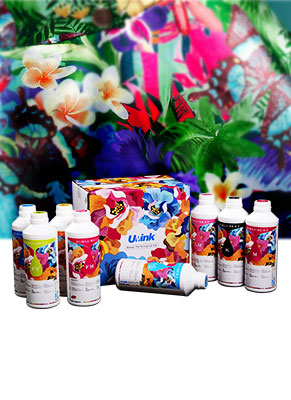 Fluorescent Sublimation Ink & Sublimation Printer Ink – Full Industrial UVINK Buyer Guide
  UVINK Economic DTF Ink – Complete Industrial Guide for DTF Printing Ink Users
 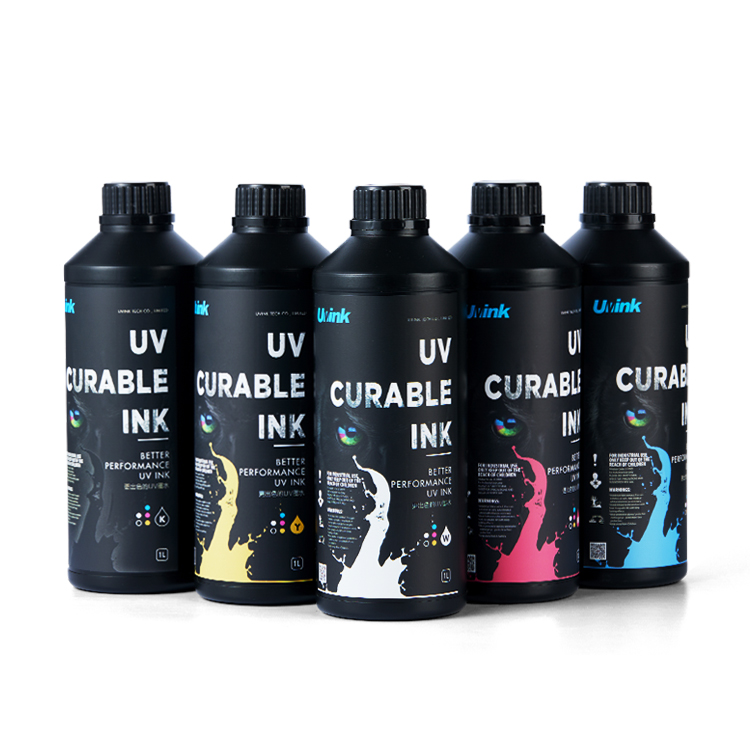 Professional‑Grade UV DTF Ink for High‑Quality UV DTF Prints – UVINK Complete Industrial Buying Guide
 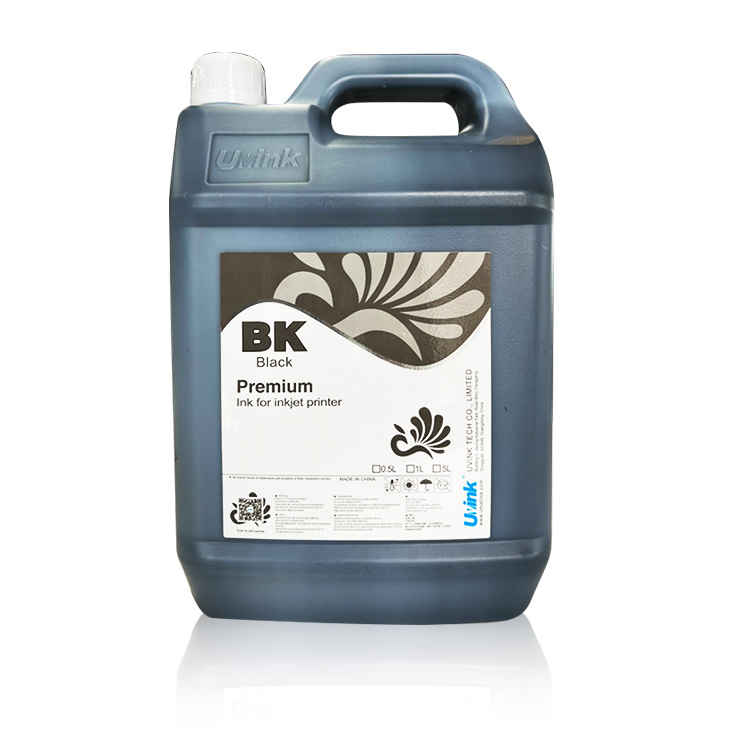 Mild Solvent Ink & Outdoor Advertising Printing – Professional Industrial Guide by UVINK
  Sublimation Ink & Epson Sublimation Ink – Full Industrial Buyer Guide by UVINK
  UVINK UV DTF Ink & What Are UV DTF Stickers – Complete Industrial Guide
 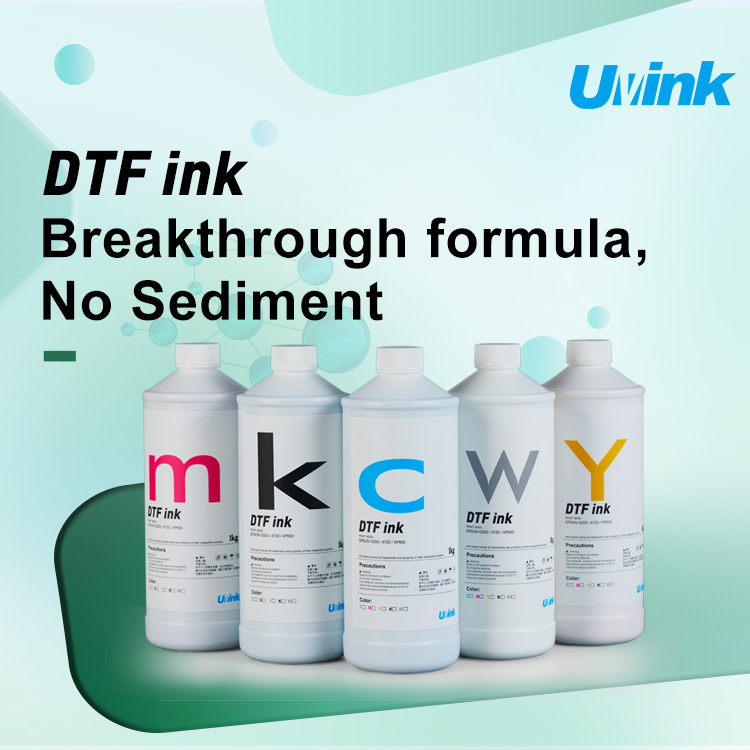 UVINK Economic DTF ink: Complete Buyer Guide for dtf for shirts Printing
  Sublimation Ink & Printer Color Ink: Industrial B2B Technical Guide
  UV DTF Ink & How to Make UV DTF Stickers: Industrial Production Guide
  Solvent Ink for Wide Format Ink Jet Printer: Industrial Technical Guide
  Sublimation Ink: Professional Technical Guide for Epson Printers
  Eco-solvent Ink: Professional Industrial Guide for Epson Pro Printers
  DTF Ink: Professional Industrial Guide for Procolored DTF Printer L1800