
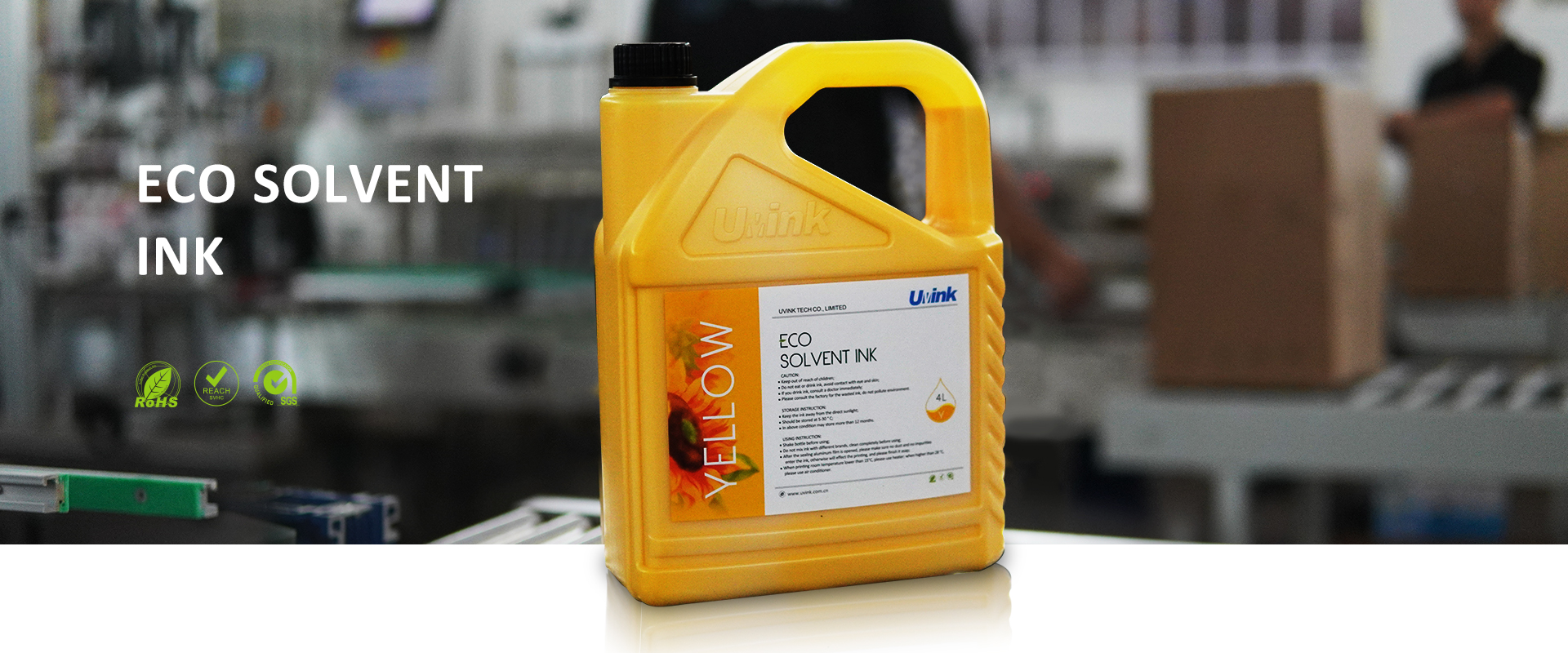
Analysis and solution of common problems in uv printing.
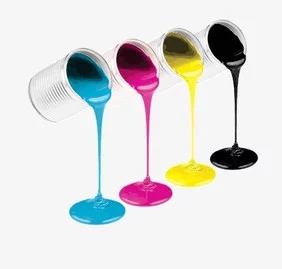
UV ink does not dry and falls out. The main reasons for the ink does not dry and
falls out are as follows: the proficiency of the operator. Different kinds of materials,
different ink layer thickness and different printing images and texts have different
requirements for uv drying device. On the printing press, the uv curing power,
printing speed and ink layer thickness can be adjusted. If the operator does not
properly handle the relationship between them, the effect of uv drying will be affected.
Ink quality. At present, there are many suppliers of uv ink in the market,
and the quality is different, and the drying speed and curing degree of different
color inks from the same manufacturer are also different. Due to the ink itself,
the phenomenon that the ink does not dry often occurs. Even famous suppliers
occasionally have such problems.

Poor gloss, insufficient brightness. Main reasons: UV varnish viscosity is too small
and the coating is too thin. Excessive dilution of non-reactive solvents such as ethanol.
UV oil coating is uneven. The paper is too absorbent. The anilox roll is too thin and
the oil supply is insufficient. Solution: increase the viscosity and coating amount of
uv varnish according to the different conditions of the paper. For paper with strong
permeability and absorption, a layer of primer can be coated first.
Poor drying, incomplete light curing and sticky surface. Main reason: the intensity of
ultraviolet light is not enough. The ultraviolet lamp tube is aging and its strength is weakened.
UV varnish storage time is too long. Too many diluents that do not participate in
the reaction are added. The machine speed is too fast. Solution: When the curing speed is
required to be less than 0.5s, the power of the high-pressure mercury lamp must be
guaranteed to be no less than 120w/cm in general. The lamp tube should be updated in time,
and should not be replaced after it is broken. If necessary, add a certain amount of
uv varnish curing accelerator to accelerate drying.
 Sublimation Ink Buying Guide for sublimation printer ink | UVINK
  DTF ink Selection Guide for dtg dtf printer | UVINK
  UV DTF Ink: What Is UV DTF for Digital Printing?
  Economic DTF Ink for DTF Printer Procolored – No‑Clog, Cost‑Effective Industrial Printing Solution
  Economic‑Grade DTF Ink – Complete Industrial Guide: How To Make DTF Transfers With Inkjet Printer
  Industrial‑Grade UV DTF Ink – Complete Buying Guide for UV DTF Stickers for Tumblers Production
 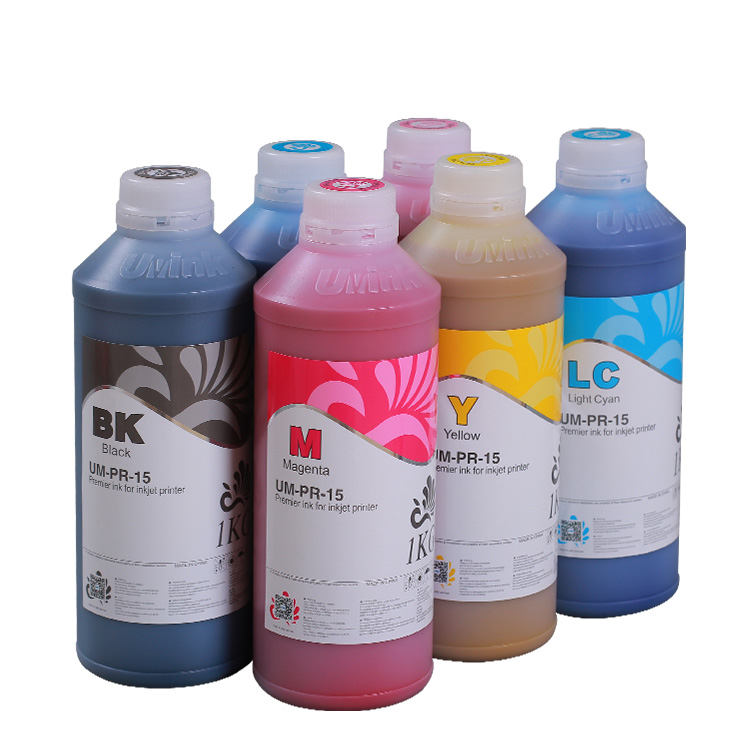 UVINK Eco Solvent Ink – Complete Industrial Buying Guide for Car Wrap Advertising Projects
 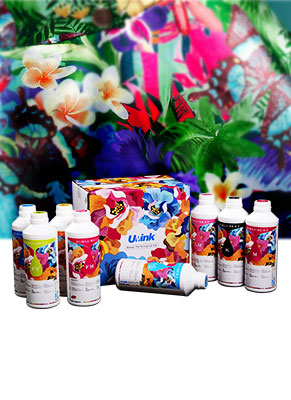 Fluorescent Sublimation Ink & Sublimation Printer Ink – Full Industrial UVINK Buyer Guide
  UVINK Economic DTF Ink – Complete Industrial Guide for DTF Printing Ink Users
 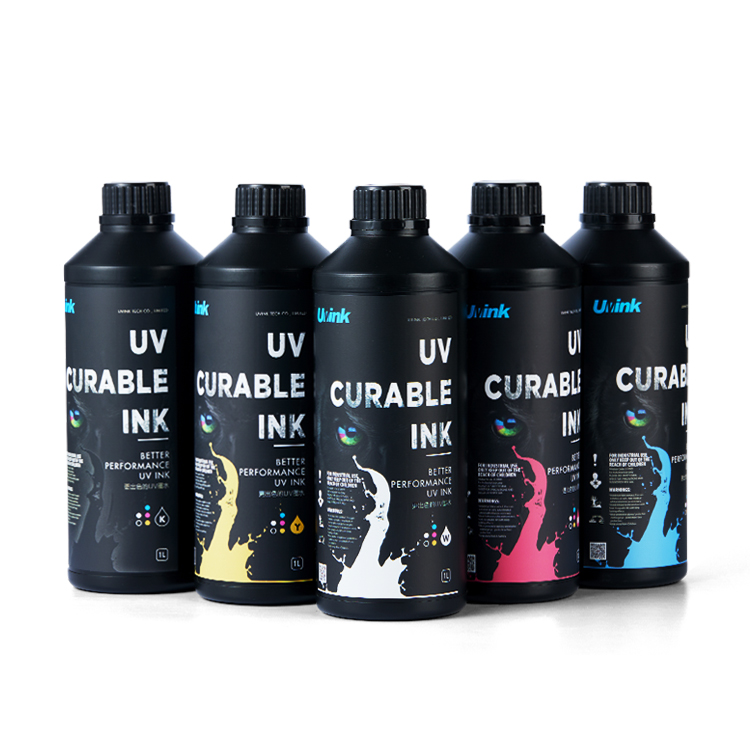 Professional‑Grade UV DTF Ink for High‑Quality UV DTF Prints – UVINK Complete Industrial Buying Guide
 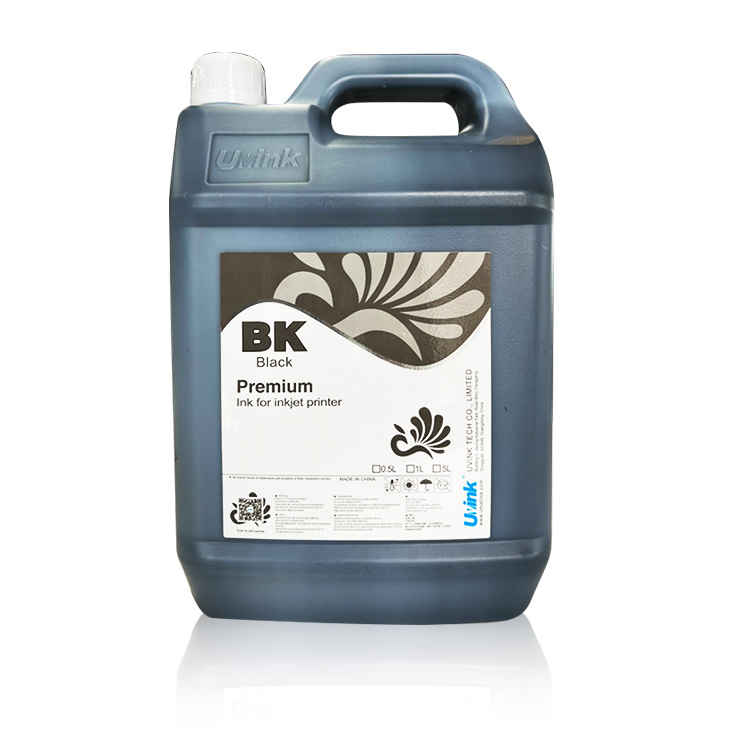 Mild Solvent Ink & Outdoor Advertising Printing – Professional Industrial Guide by UVINK
  Sublimation Ink & Epson Sublimation Ink – Full Industrial Buyer Guide by UVINK
  UVINK UV DTF Ink & What Are UV DTF Stickers – Complete Industrial Guide
 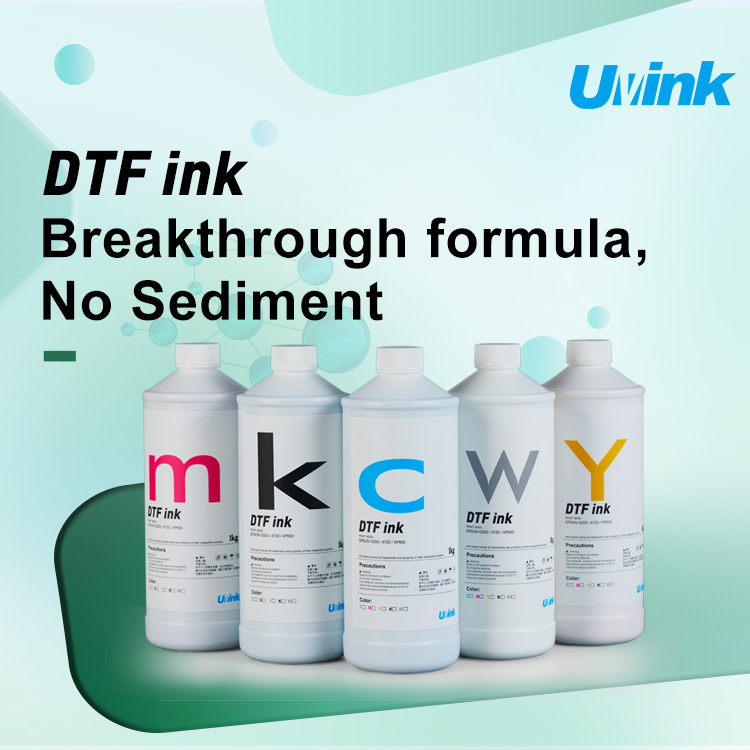 UVINK Economic DTF ink: Complete Buyer Guide for dtf for shirts Printing
  Sublimation Ink & Printer Color Ink: Industrial B2B Technical Guide
  UV DTF Ink & How to Make UV DTF Stickers: Industrial Production Guide
  Solvent Ink for Wide Format Ink Jet Printer: Industrial Technical Guide
  Sublimation Ink: Professional Technical Guide for Epson Printers
  Eco-solvent Ink: Professional Industrial Guide for Epson Pro Printers
  DTF Ink: Professional Industrial Guide for Procolored DTF Printer L1800